I’ve never run an ultramarathon.
Never hallucinated in the desert, never eaten mashed potatoes at mile 90, never peeled off my own toenail like a souvenir. But I’ve read their stories obsessively—sometimes more than once—and highlighted them like sacred texts.
It’s a strange thing to envy people who willingly suffer. But ultrarunners don’t just suffer—they choose to, over and over again. That kind of madness fascinated me before I could even jog five minutes without clutching my knees. And oddly enough, their stories gave me the strength to do something I never thought I could: hike up Himalayan mountains.
Two years ago, I couldn’t finish a two-hour hill hike without wanting to die somewhere mid-slope. I’ve now done seven high-altitude Himalayan treks in fifteen and a half months. That doesn’t make me a runner. But I’ve learned how to stay when it hurts, and that’s a lesson ultrarunners teach better than anyone.
1. Barkley Marathons – Tennessee, USA
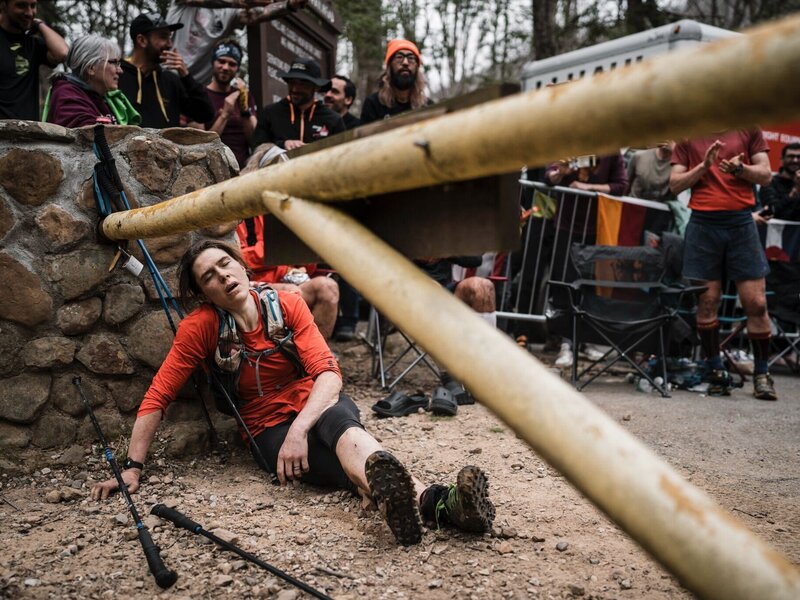
There are races. And then there’s Barkley.
Held in the overgrown wilderness of Tennessee, the Barkley Marathons is a five-loop, 100-ish mile disaster designed specifically to make runners fail. There’s no GPS, no aid stations, no markers. Just fog, briars, and a race director who lights a cigarette to signal the start.
One finisher called it “a war of attrition.” That phrase clung to me on a trek when I had to descend steep switchbacks in the rain with a fogged-out headlamp and screaming knees. It’s not about pace. It’s about not quitting.
Jasmin Paris finished Barkley in 59 hours, 58 minutes. She touched the yellow gate and collapsed with 99 seconds to spare. First woman ever to do it. That moment lives in my head like a bookmark for grit.
2. Badwater 135 – Death Valley, USA
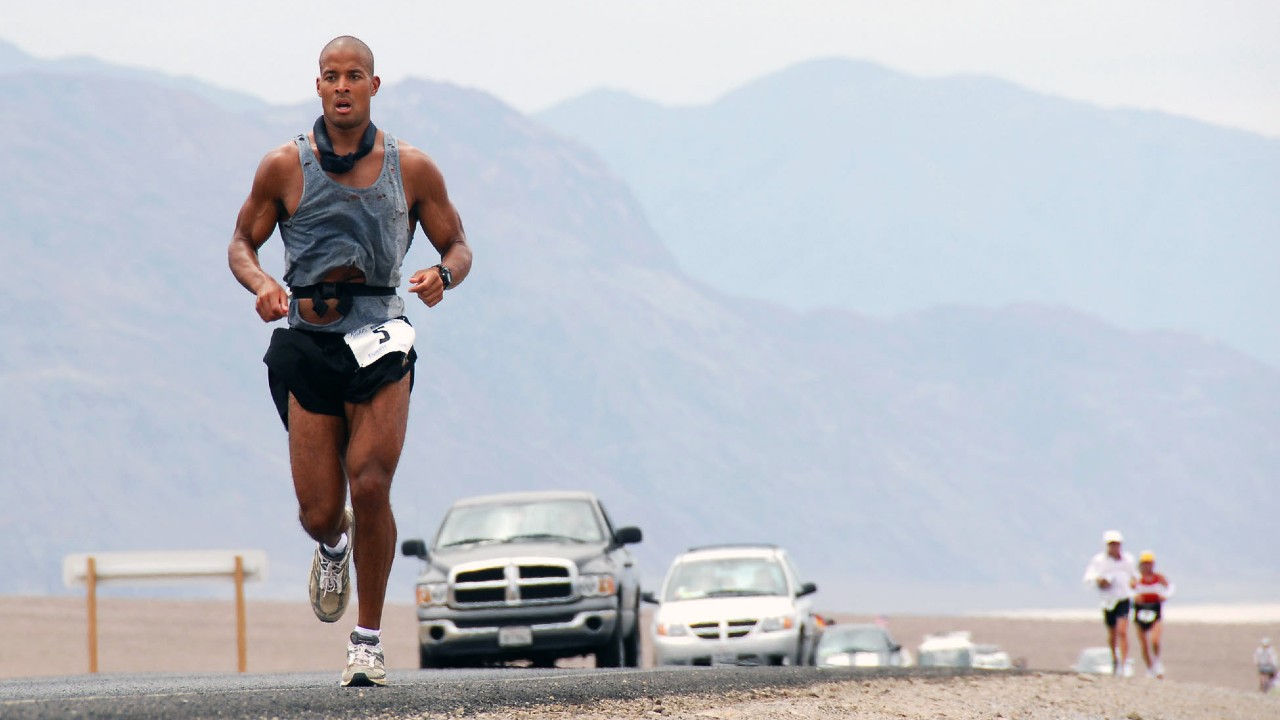
Start below sea level in the hottest place on Earth. Run 135 miles in 50°C heat. Climb 8,360 feet to the base of Mt. Whitney. Try not to melt.
Badwater is so hot the pavement cooks your shoes. Runners hug the white line on the road to avoid burning their feet. One woman ran with ice stuffed into her sports bra, her bandana, and her socks.
This race isn’t about running fast. It’s about enduring slowly. It reminded me of my own pace—painfully slow on treks, but consistent. Badwater taught me that endurance doesn’t need to be elegant. It needs to be relentless.
3. Marathon des Sables – Sahara Desert, Morocco
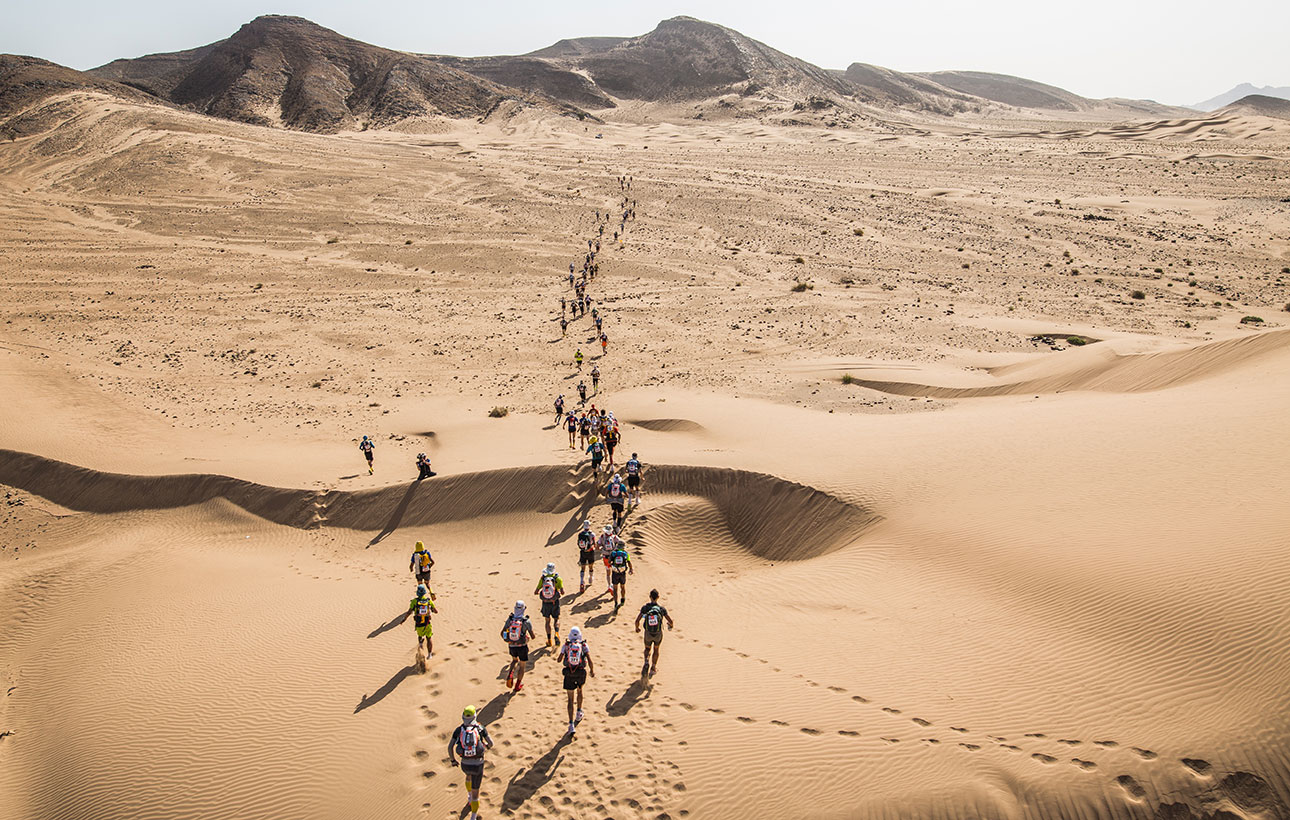
Imagine running six marathons over six days. Now add Sahara sandstorms, no shade, and a 10kg pack on your back. Welcome to Marathon des Sables.
It’s self-supported. You carry your own food and sleep on the ground. One runner famously hallucinated a vending machine in the desert—it was a cactus.
I think about that when I run-walk my baby 5K and my mind screams, “This is too hard.” The lesson from the Sahara is simple: you don’t always need comfort. You need commitment. And a bit of dark humor doesn’t hurt.
4. Ultra-Trail du Mont-Blanc (UTMB) – Alps (France, Italy, Switzerland)
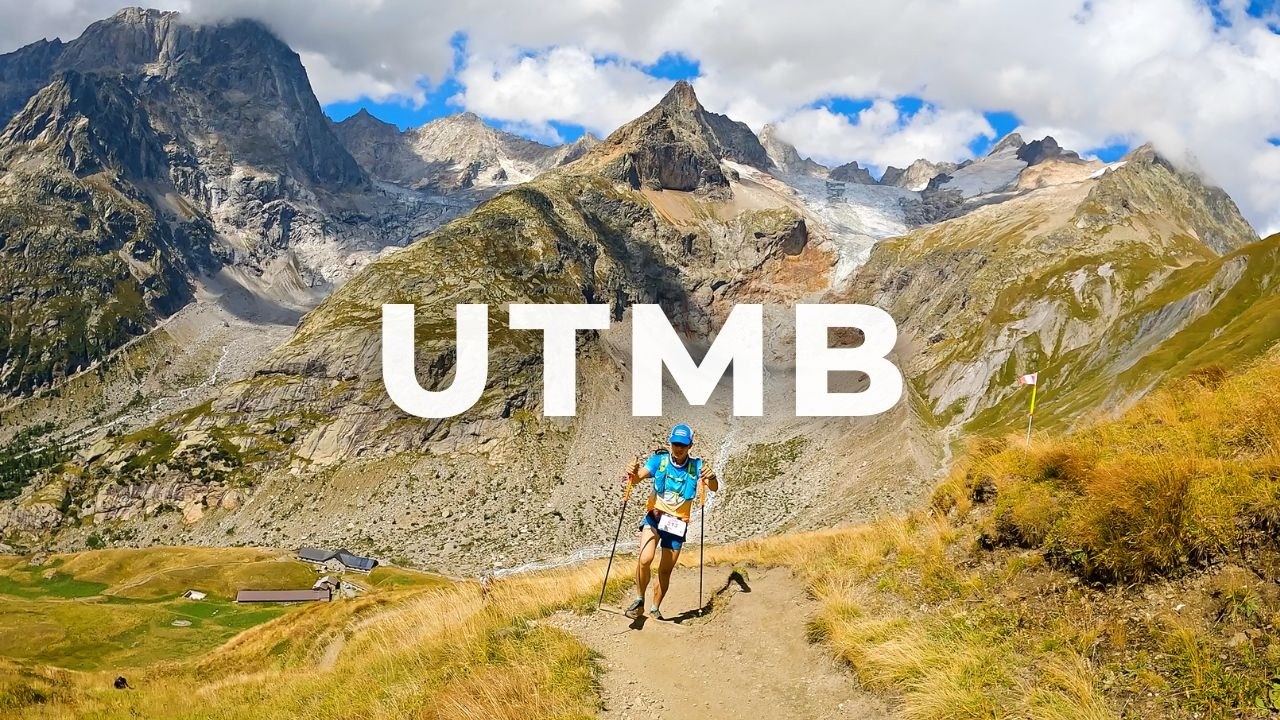
3 countries. 106 miles. 10,000 meters of elevation.
Cold nights, hot days, and climbs so steep they make you reevaluate every life decision you’ve ever made.
UTMB is considered the cathedral of mountain ultras. It’s also the first ultra where I cried reading a race report. One runner said,
“The mountain doesn’t care. But it listens.”
That sentence hit like truth. On my fifth trek, when fog rolled in and my legs wobbled, I said everything I’d been holding in—to no one. Then I kept walking.
5. Moab 240 – Utah, USA
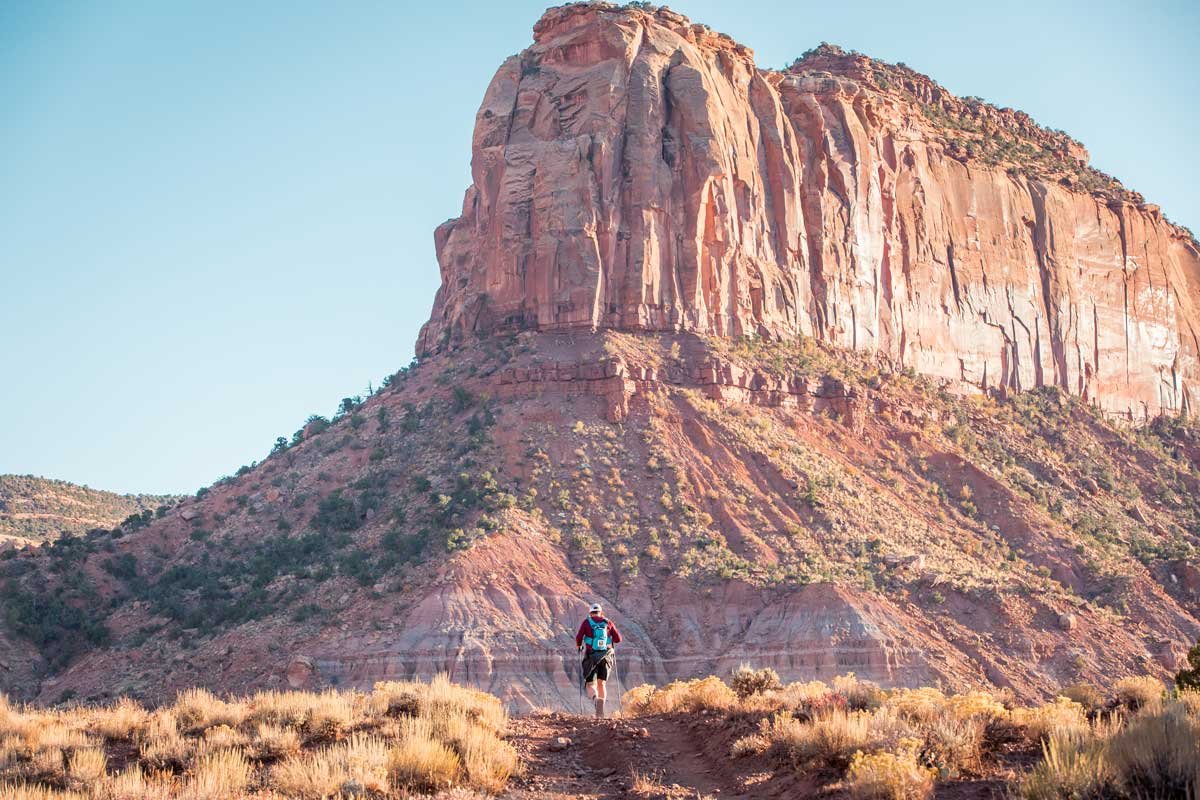
This one’s not a race. It’s a psychotic dream.
240 miles through desert canyons, forests, and two mountain ranges. Most runners hallucinate. Some sleep 20 minutes a night. One guy thought he was being followed by a piano. Another ran with the ghost of his dog.
The lesson here isn’t “don’t be crazy.”
It’s: you can keep moving even when the world stops making sense.
I’ve felt that fog during long Himalayan descents with sore hips and frozen fingers. I didn’t see a piano. But I did see what I was capable of.
Tor des Géants – Italian Alps
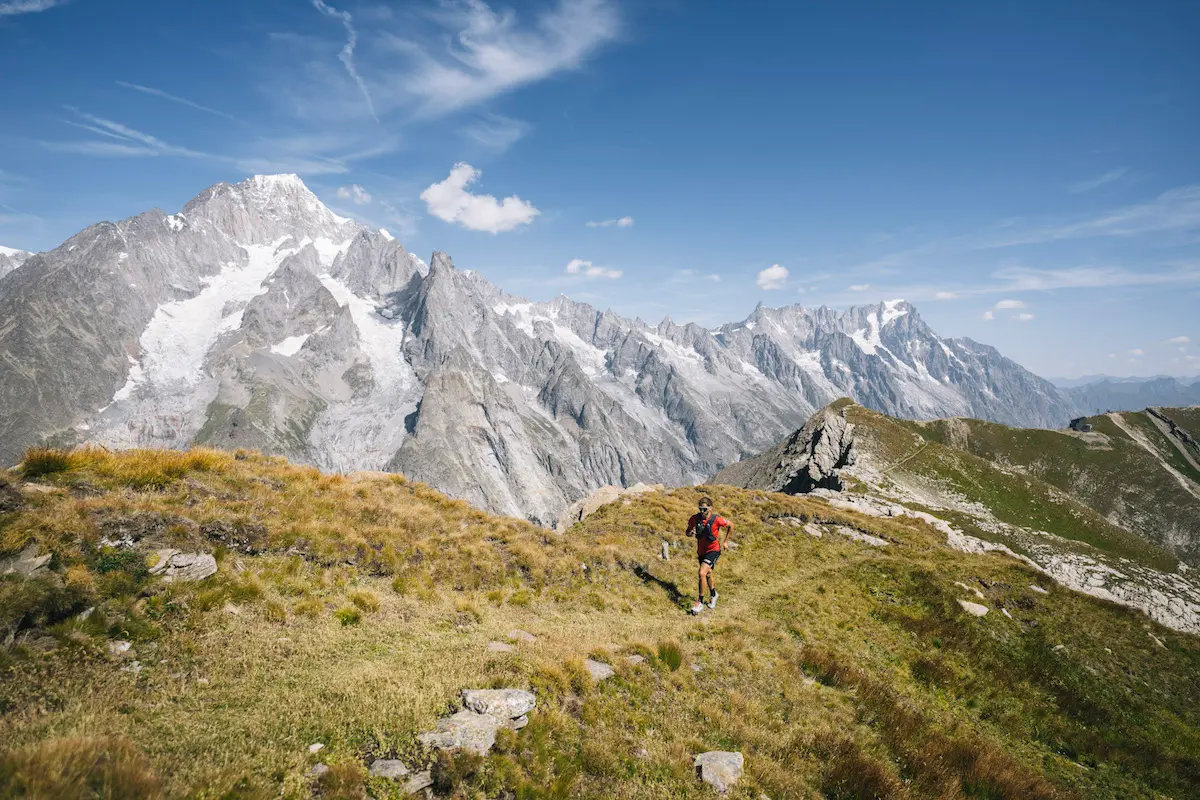
330 km. 24,000 meters of climb. 6 days of alpine madness.
You sleep when you want, eat what you carry, and sometimes hallucinate friendly goats giving you directions.
One runner said, “You arrive at the end as someone else.”
That line stuck. Because isn’t that the goal?
To finish as someone different than the person who started?
Tor taught me that transformation doesn’t come from chasing big wins. It comes from staying with yourself through the ugly middle.
What makes these races brutal isn’t the terrain—it’s the truths they expose. Ultramarathons don’t ask if you’re strong. They ask if you’re willing to be broken. And then keep going.
I may never toe the line at Barkley or run through Death Valley with my feet on fire. I might never cross frozen cols in Italy with blistered feet and a head full of illusions.
But I carry their stories on every trail I walk.
When I hike through rain and rage,
when I lose breath at altitude,
when I wonder why I chose discomfort again—
those ultrarunners show up beside me like silent crew members, whispering, “stay.”
Maybe I’ll run my 5K one day. Maybe it won’t be pretty. But if I do, I’ll run it the way I’ve walked those treks—slow, stubborn, and not for anyone else’s applause.
Because what ultrarunners have taught me isn’t how to run.
It’s how to stay when staying gets hard.
And that lesson, I’ve earned the muddy, bruised, blissful way.
Leave a Reply