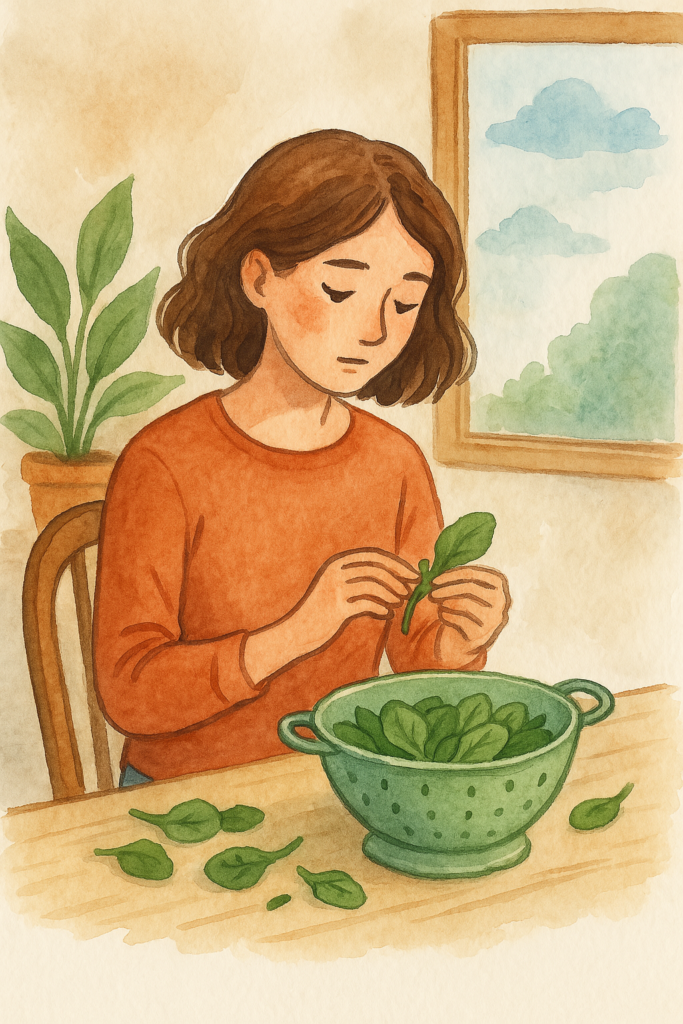
The first time Mira thought about leaving Raj, she was washing spinach. The leaves were muddy, stubborn. She scrubbed each one as if dirt could be reasoned with. Raj was asleep in the other room, snoring softly with the TV still murmuring—one of those historical docuseries he insisted on watching but never finished.
She wasn’t angry. Not really. Not the kind of fight where you slam doors or throw pans. It was quieter than that. Like the kind of silence you find in attics. Still, a little stale. A place where time has settled like dust on old boxes you no longer have the courage to open.
Her hands, wet and green-flecked, paused over the colander. The thought came in gently: I can’t do this forever.
And then, as always, the counter-thought: But what would I even do without him?
It wasn’t about love. Or not just love. It was about how deeply he had woven himself into the wallpaper of her life. Their shared toothbrush holder. His morning routine—phone before breakfast, the way he always left his socks inside out. Their shared playlists, even though she hated half the songs.
She wasn’t trapped. That’s what her friends would say. She wasn’t in danger. She could leave whenever she wanted.
But leaving Raj didn’t feel like packing a suitcase. It felt like amputating a limb you still needed to walk.
Mira tried. She made pro-con lists. She went to yoga and whispered mantras. She stopped whispering mantras. She watched videos about boundaries and healthy communication. She even told Raj—once—through trembling lips, that she wasn’t happy. He had looked at her like she’d just spoken in Morse code.
“You’re stressed,” he’d said. “Work’s been insane.”
And that was it. Like waving at a ship and watching it sail right past.
Still, she stayed. For many more spinach washes. For birthdays, Sunday night takeout, fights about nothing, reconciliations that felt more like negotiations. She stayed until staying became harder than leaving.
The turning point wasn’t dramatic. No betrayal. No drunken confession. Just an empty teacup.
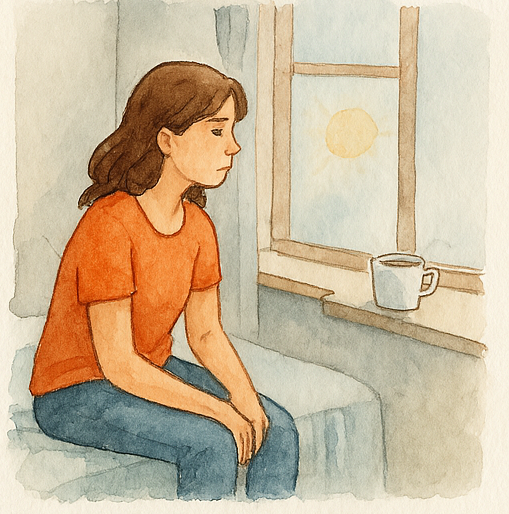
Mira had woken up early one morning, earlier than him, and made tea—one for herself, one for Raj. She placed his on the windowsill by his side of the bed.
And then, hours later, when she came back from a walk, it was still there. Cold. Untouched.
Somehow that little detail hit harder than all the big arguments. The tea had gone ignored. Like she had.
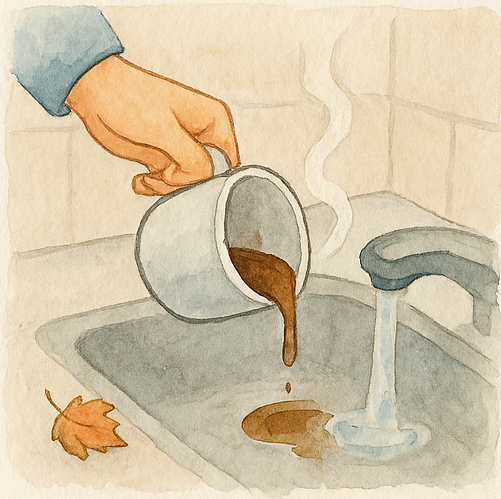
She stared at it—this lukewarm symbol of her entire relationship. She poured it down the sink. Her hands were steady.
Leaving Raj wasn’t the hard part. It was what came after.
No one warns you that the body remembers routine like muscle memory. She still reached for two plates at dinner. Still instinctively checked her phone during lunch breaks for a text that would never come. Her brain knew, but her hands hadn’t caught up yet.
Grief didn’t come in the ways she expected. It wasn’t loud. It was logistical. Who would take the Instant Pot? Would she have to change the WiFi password? Could she afford that apartment alone?
And then there were the weird hours—2 a.m. moments where the loneliness was louder than her resolve. Not because she missed him. But because her identity had fused so tightly with being his.
Mira wasn’t just grieving a man. She was grieving the version of herself that existed beside him.
She didn’t become a new woman overnight. There were no glow-ups. No triumphant “look at me now” selfies. But she started noticing things.
The silence in her new apartment wasn’t empty. It was clean. Like a room that had just been swept after a long party.
She relearned how to eat alone. The first time was awkward. The second time, she brought a book. The third time, she actually enjoyed the taste of her own company.
She started reconnecting—with people she’d slowly disappeared from. Not in big dramatic ways. Just small texts. Laughter over old memes. Dinners that ran too late on weeknights. Friends who let her talk about Raj until she didn’t want to anymore.
And she started remembering what else had kept her in that relationship: not just fear, but the roles it let her play. The “caring partner,” the “fixer,” the “understanding one.” It was a performance she knew too well.
But without him, who was she?
Turns out, someone far more interesting.
Months passed. A year, maybe. The grief thinned out like fog after sunrise. Not completely gone. But less suffocating.
There were days Mira missed what she thought they had. The imagined version of them. The one she’d used to patch over reality. It took time to admit that version never truly existed.
She didn’t demonize Raj. He hadn’t been cruel. Just unavailable. Unreachable in the ways that mattered.
But she finally stopped blaming him. And more importantly, stopped blaming herself for staying as long as she did.
Healing wasn’t tidy. It didn’t follow a checklist. It was more like re-potting a plant. You yank out the roots, shake off the dead soil, and hope to God it survives in the new pot. But sometimes, it doesn’t just survive. It blooms.
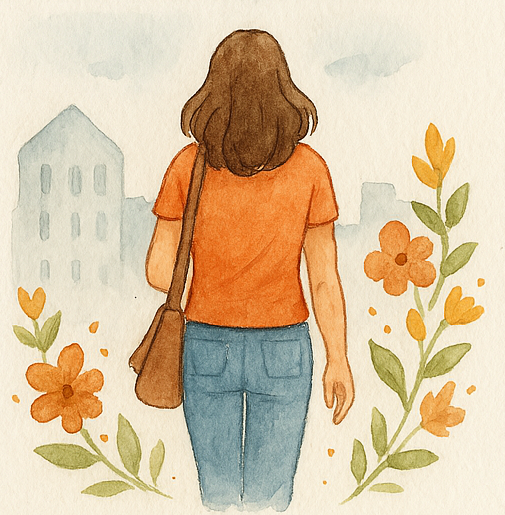
There’s this idea that leaving a relationship should come with fireworks. Grand clarity. Dramatic exits.
But most real endings happen quietly. In the mundane. A cold teacup. A one-sided conversation. A woman washing spinach and realizing her heart feels heavier than it should.
And in those tiny moments, courage is born.
Not the cinematic kind. The everyday kind. The kind that folds laundry, pays bills, shows up to work with a broken heart, and slowly, patiently, rebuilds.
That’s what Mira did.
Not perfectly. Not heroically. But honestly.
And in a world obsessed with big love and bigger heartbreaks, that kind of quiet bravery should count for something.
Leave a Reply