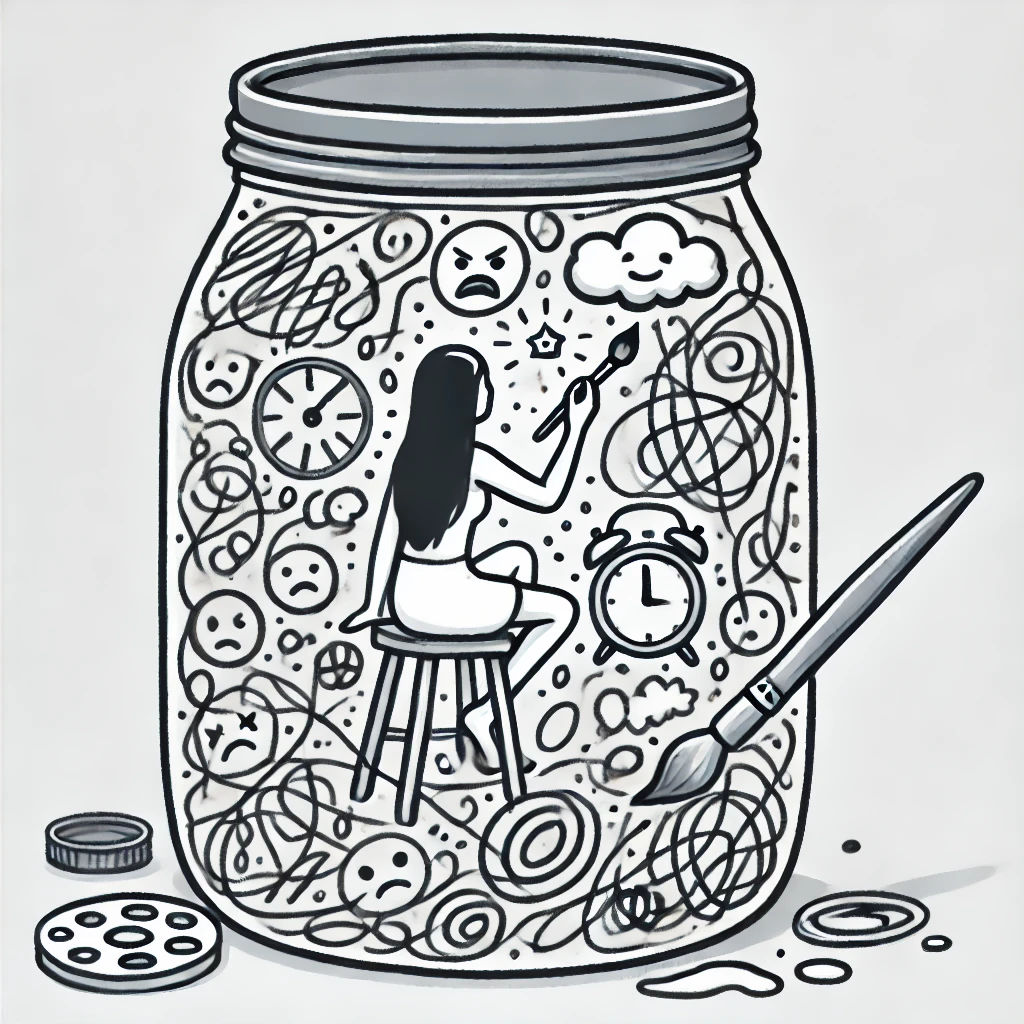
Aadhya let the world dictate her emotions. If her boss snapped at her, her day was ruined. A rude stranger could wreck her mood for hours. A sigh from her mother over the phone sent her spiraling into overanalysis. She was a leaf in the wind, tossed around by everything and everyone.
Then came the evening that changed everything.
She was stuck in traffic, knuckles white on the steering wheel. The honking was relentless. Her phone was dead. She was late. Her mind brewed its usual storm—this city, these people, this relentless bad luck. And then, like a misplaced thought, a question surfaced: What am I thinking right now?
It was absurd. But the moment she asked it, something shifted. She saw the script running in her head—an endless monologue of frustration. And for the first time, she considered an alternative. The traffic wouldn’t move. The phone wouldn’t revive itself. But what if she chose a different thought?
So she did.
She thought about the song on the radio, about college, about how she once played it on repeat. She thought about the dinner she was heading to and how her friend always had the best stories. She thought about the moon, steady in the chaos. Her grip loosened. The storm in her head quieted. The traffic remained. But she had changed.
This wasn’t a passing realization. It was a turning point.
The Lie We Live By
Most people go through life believing their emotions are dictated by the world around them. A bad meeting, an unkind comment, a delayed flight—each one a trigger, controlling their mood like a switch.
But what if that wasn’t true? What if emotions weren’t things that happened to us but things we created through the thoughts we chose to entertain?
Aadhya started experimenting. When something frustrated her, she didn’t react. She traced it back to the thought behind the feeling. If a driver cut her off, her instinct was anger—because she thought, That driver is an idiot. But what if she swapped it for, They must be in a hurry. I hope they get there safely.
At first, it felt unnatural, like writing with her non-dominant hand. But over time, she noticed something remarkable: her emotional landscape was shifting. She wasn’t absorbing the world’s chaos anymore. She was shaping her own experience, thought by thought.
The Responsibility No One Wants
Taking charge of your thoughts isn’t glamorous. No one hands you a trophy for not losing your temper in traffic. It’s easier to let emotions run wild, to blame the world for every frustration. Responsibility is inconvenient. But it’s also the only way to freedom.
Aadhya wasn’t perfect at it. She still had moments where she wanted to throw her coffee at a wall. But she knew she had a choice. She could feed the thoughts that drained her or the ones that fueled her. And that awareness alone changed everything.
By the time she reached the restaurant that night, she was twenty minutes late. Her friend raised an eyebrow. “Traffic?”
Aadhya smiled. “Yeah. But the moon looked nice tonight.”
Build or Be Built
Your mind is always constructing something. If you don’t take control, it builds stress, resentment, and worry by default. But the moment you start choosing your thoughts, even a little, you become the architect of your own experience.
You don’t have to be at the mercy of the world. You don’t have to be a sponge. You can build something better.
It starts with one thought.
Leave a Reply