For the longest time, I thought productivity was a matter of willpower. You either push through or you don’t. If you can just chase the right rewards and dodge the wrong consequences, you’ll stay on track. Sounds logical, right? It’s also completely wrong.
Turns out, it’s not the pursuit of pleasure or the avoidance of pain that drives us. The truth is much simpler: everything we do is an attempt to escape discomfort.
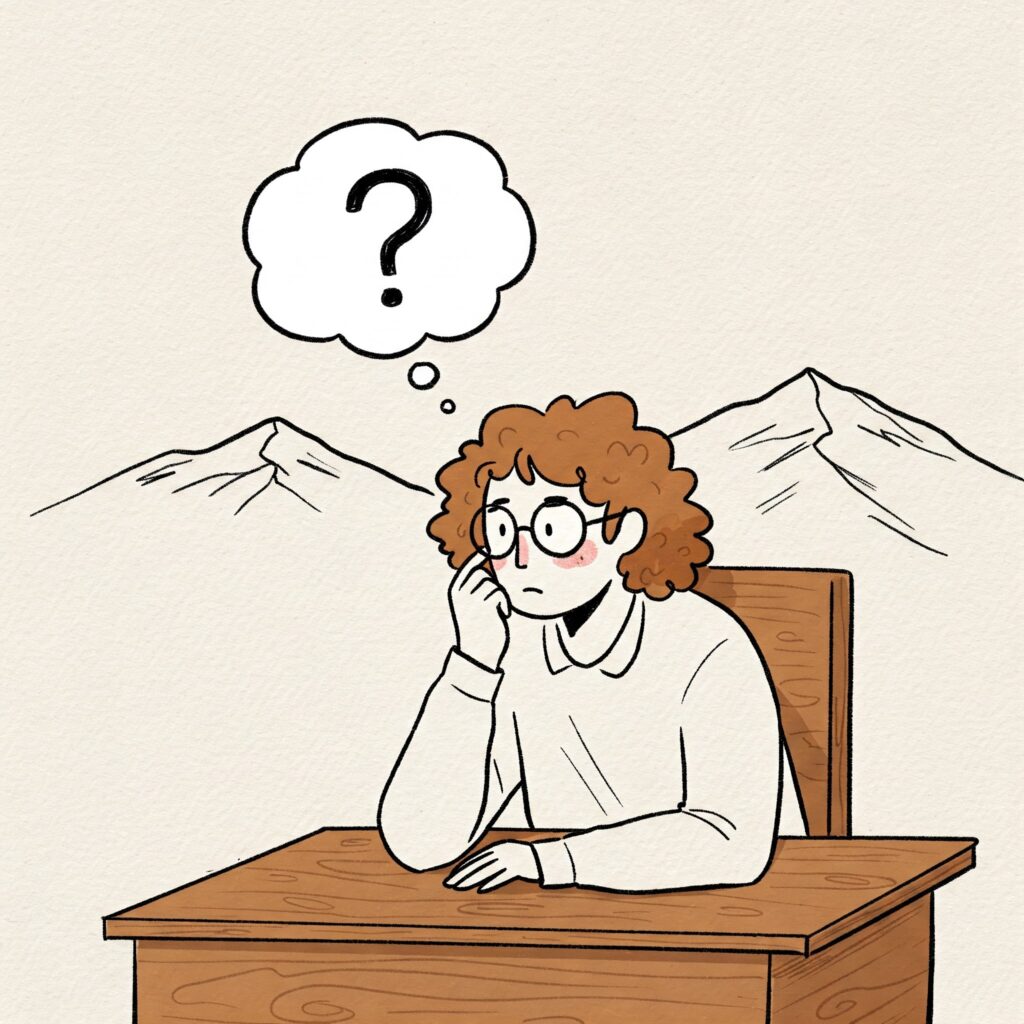
Take the classic case of procrastination. When I delay writing, it’s not because I don’t want to finish the task. It’s because starting feels uncomfortable. It’s that restless feeling, that itch to avoid the blank page. Even when I reach for a cup of coffee or scroll through my phone, it’s not really the coffee or the content — it’s about quieting that internal nagging.
Think of discomfort like a squeaky fan in your room. It hums in the background, barely noticeable at first, but soon it’s all you can hear. You can’t focus until you deal with it. But instead of fixing the fan, most of us just try to drown it out with other noises — a Netflix binge, endless scrolling, or even unnecessary chores.
This realization changed everything for me. I saw my distractions for what they were: my brain’s way of trying to avoid discomfort. Whether it was skipping a workout, delaying a tough conversation, or zoning out during family time, it all boiled down to one thing — discomfort management.
Here’s a funny thing: people will go to ridiculous lengths to avoid boredom. There’s an experiment where participants were left alone with nothing to do except press a button that gave them a mild electric shock. Most people chose the shock. Some pressed it repeatedly. They weren’t seeking pain; they were escaping boredom.
That urge to avoid stillness isn’t random. Our ancestors, constantly restless, were the ones who hunted, explored, and survived. The ones who sat contentedly by the fire didn’t make it.
But here’s the twist. Too much discomfort can overwhelm us, while too little leaves us stagnant. The sweet spot lies in finding a manageable level — like lifting weights just heavy enough to build strength without injury. Life works the same way.
And here’s what really hits home: it’s not high expectations that burn us out. It’s feeling like we have no control. Imagine trying to build a sandcastle while the tide keeps washing it away. Frustrating, right? But if you can build further up the shore, with tools that actually work, it feels different. That sense of control changes everything.
In my case, the chaos wasn’t just the distractions — it was my reaction to them. I needed to get better at recognizing discomfort and responding in healthier ways. Instead of reaching for my phone, I learned to sit with that uncomfortable urge. It wasn’t always fun, but it worked.
The second game-changer was realizing I couldn’t call something a distraction if I hadn’t planned what I was supposed to be doing. If I didn’t know what my focus was, everything felt like a distraction. I started timeboxing — scheduling my tasks with intention. Suddenly, the noise faded. I wasn’t just reacting anymore; I was in charge.
Discomfort isn’t the enemy. It’s the guide. The discomfort never goes away — but when you recognize it for what it is, it loses its power.
Leave a Reply