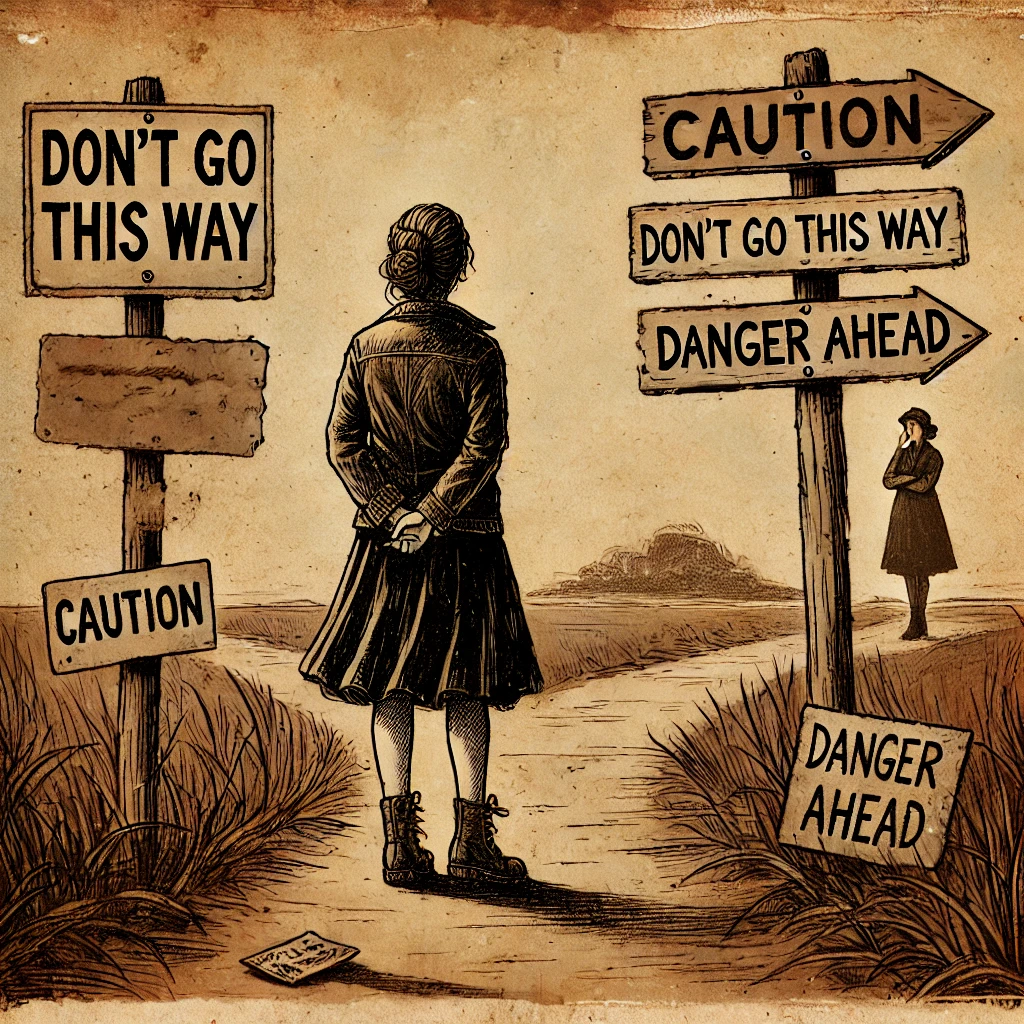
Warnings come from everywhere—friends, books, older relatives, the occasional self-help podcast. They aren’t subtle, either. They arrive wrapped in exhausted sighs and hard-earned wisdom, delivered with the kind of emphasis that suggests we should really pay attention this time.
We nod, agree, and then walk straight into the same mess they told us to avoid.
We think long hours will prove our dedication. That the right person can fix a bad relationship. That ignoring stress makes it disappear. That we’ll always have more time for the people who matter. It isn’t until we collapse, or break, or lose something we can’t replace that we finally understand.
It’s easy to dismiss warnings when they feel distant. A tired executive says burnout isn’t worth it. A wealthy actor insists money doesn’t buy happiness. A heartbroken friend tells us we’re wasting time on the wrong person. From a safe distance, their experiences seem like someone else’s problem, a different set of circumstances, not applicable to us. We tell ourselves we’re more resilient, more careful, more in control.
Then one day, exhaustion turns into something unfixable. A relationship that should have ended months ago drags on, draining everything around it. A phone call arrives too late, and we’re left wishing we had made more time. And suddenly, the warnings don’t feel abstract anymore.
What makes these lessons so difficult isn’t that they’re complicated. It’s that they force us to admit we were wrong. That we wasted time. That we ignored the truth because it was inconvenient. No one enjoys realizing they played themselves.
Experience teaches what words cannot. The best we can do is pay attention sooner. Or at least, recognize the moment when we’re about to repeat a mistake and choose differently. It won’t happen every time, but maybe, just once, we’ll listen before it’s too late.
Leave a Reply