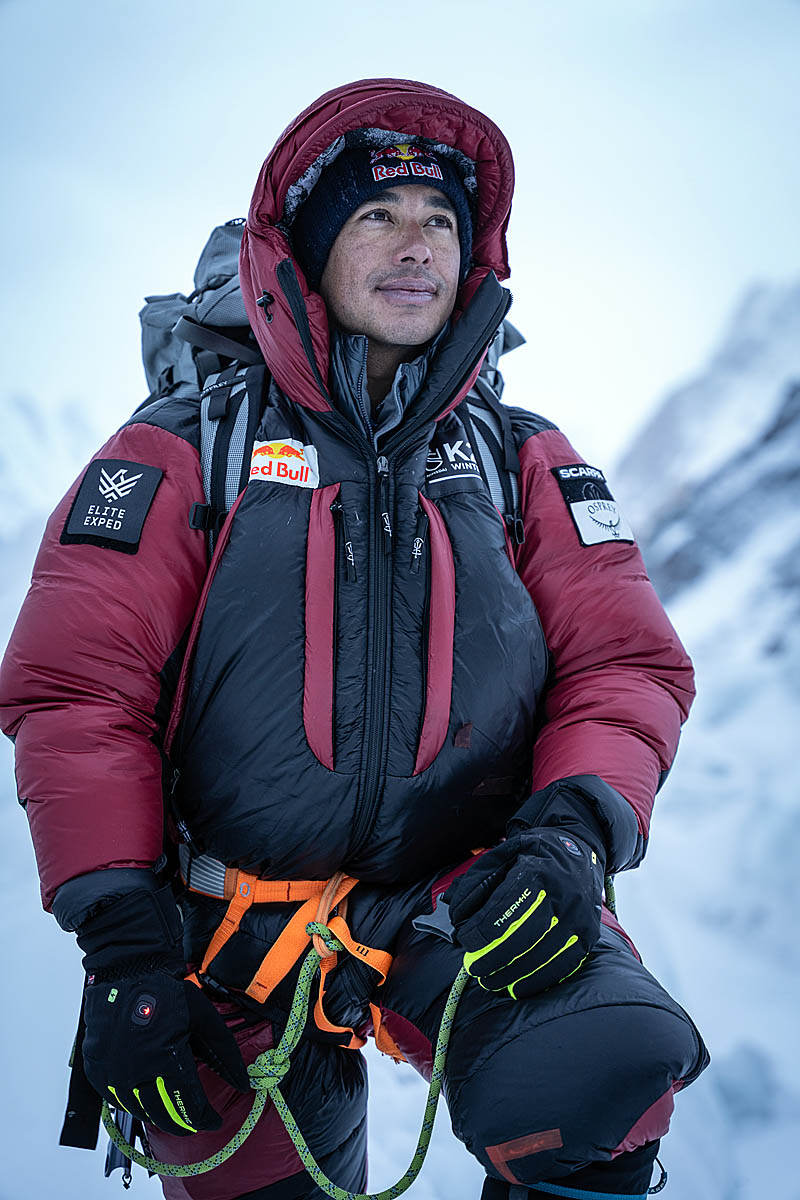
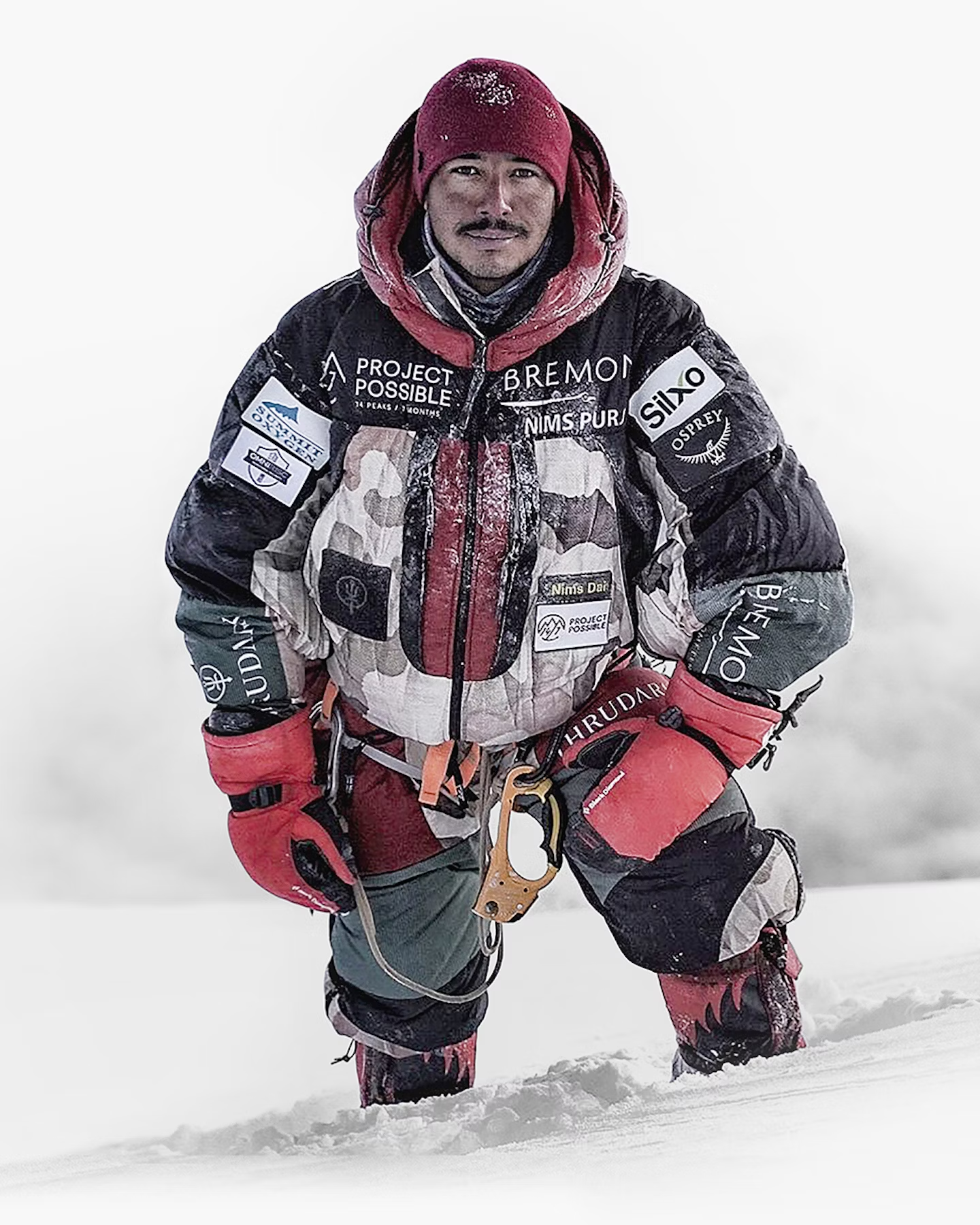
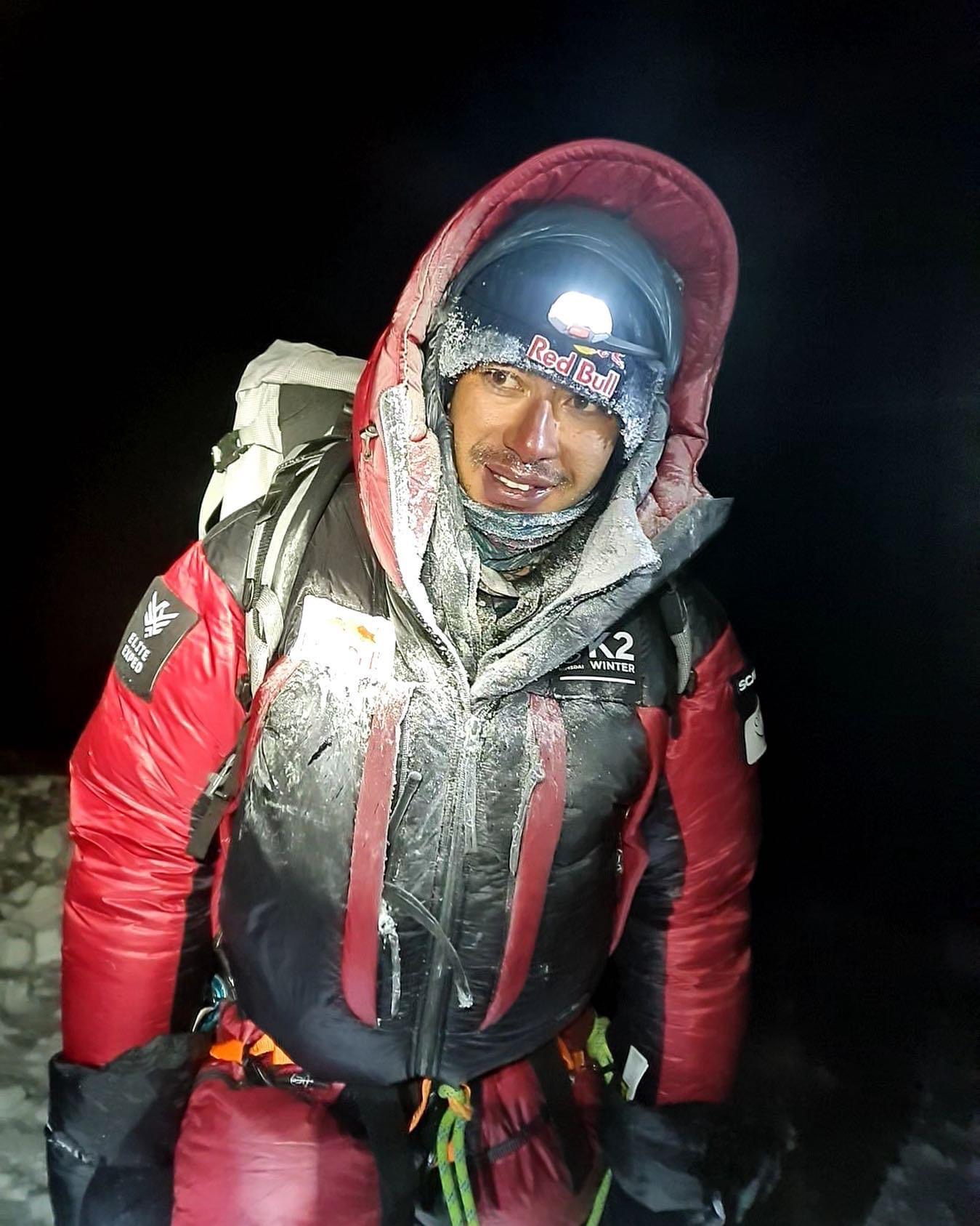
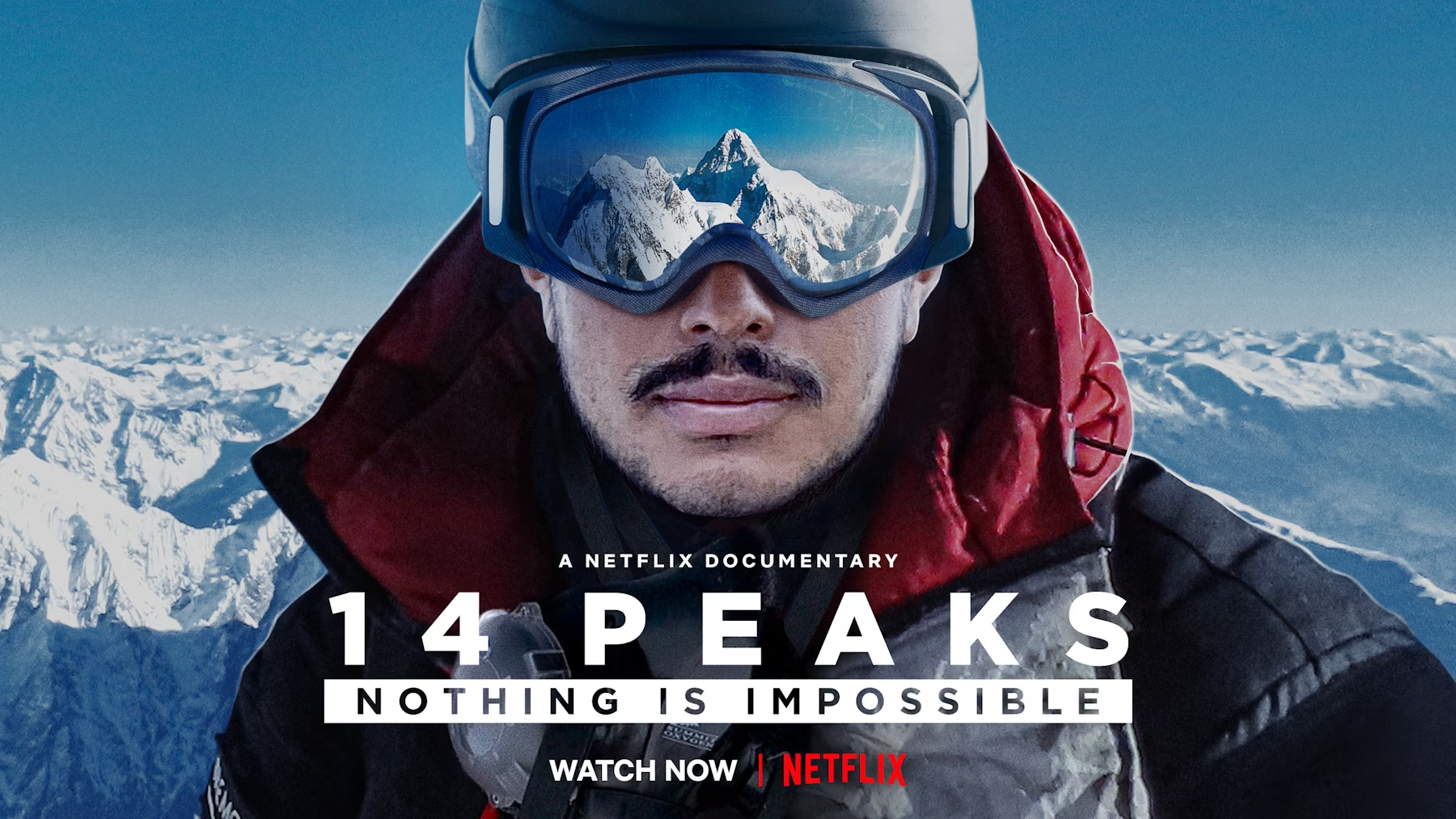
He climbed into the death zone with a hangover, no sleep,
and a man dying in his arms—and still kept going.
Not to summit. But to save.
The mountain was never the hardest part. Being human was.
I’ve never stood on top of a Himalayan peak. Not one of the giants, at least. But I have walked paths where the air is thin, the fatigue is real, and you start to meet the quieter voices inside your own head—the ones that ask, “Why the hell are you doing this?”
Which is why Nimsdai Purja’s story didn’t just move me. It rearranged something inside me.
You think you know what it means to be strong—until you hear about someone dragging a dying man down Kangchenjunga alone, after summiting on zero sleep, hungover, and hallucinating snow into his armpits just to stay awake.
And then you realize: strength is not a summit photo.
The Weight You Choose to Carry
Most of us spend our lives avoiding discomfort. Nims seems to seek it out—not in some masochistic, #grind mindset—but because he understands this: commitment is a muscle that only grows when it’s carrying weight.
He sold his house to fund Project Possible. Not to impress sponsors or go viral, but because he believed—so deeply, so irrationally, so stubbornly—that he was meant to do it. The kind of belief that doesn’t need permission.
And that’s the first lesson. If you’re not willing to make it personal, you’re not committed. You’re just interested.
Rescue Over Record
What broke me wasn’t the record-breaking climbs. It was the part where he gave his oxygen to a dying stranger—knowing it might kill him. And then kept dragging the man down the mountain alone, because everyone else who said they’d help… didn’t.
He could’ve left. He should’ve, maybe. But he didn’t. Because he doesn’t outsource responsibility when things get uncomfortable.
This isn’t a hero complex. It’s something rarer: a refusal to walk past suffering just because you have an excuse.
If you want to know what real character looks like, find the person who keeps showing up when no one’s watching, no one’s clapping, and the outcome doesn’t make them look good.
Team Doesn’t Mean “You Go First”
Leadership, the way we’ve been sold it, is often just ego management in nicer fonts. Nims flips that. He walked his entire team to the K2 summit together, refusing to take a solo lead even though he could have earned all the spotlight. Because he knows the power of a “we” that doesn’t need a “me” in the spotlight.
Leadership isn’t about being the face. It’s about who you’d rather share the win with, even if it means not being first.
Real Purpose Has Dirt Under Its Nails
There’s something raw and magnetic about a man who can summit 14 peaks faster than anyone else on Earth—and still cry alone in a tent because no one came to help him save a stranger. That kind of emotional honesty doesn’t fit into your average TED Talk or Instagram caption. It’s too real for that.
But that’s what stuck with me.
Nims is building homes for porters. Funding education for children of dead climbers. Emptying his own bank account when others needed it more. Because when you’ve come from nothing, you don’t just chase success—you know exactly what it’s for.
And that’s the second lesson. If your purpose doesn’t make you cry at 8,000 meters, it’s just a PR stunt.
What I Took Home
I’m not training for Everest. I’m just trying to show up for my life every day. But after hearing Nims’ story, I can’t look at my excuses the same way.
If you say you care, prove it.
If you want something, commit with everything you’ve got.
If someone needs help, don’t wait for better conditions.
And if you’re lucky enough to have climbed your own mountain, look around: who needs a rope thrown down?
That’s the summit that matters.
Leave a Reply