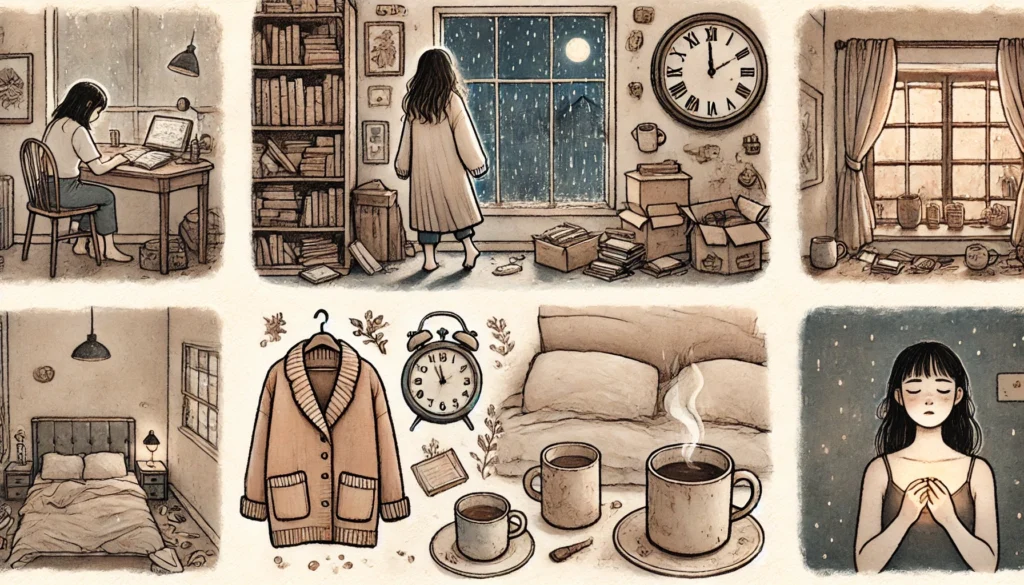
It’s two in the morning, and Amelia’s pacing her messy apartment, stepping over stacks of books she promised she’d read, coffee mugs half-filled and forgotten, and laundry she swears she’ll fold tomorrow. Moving was second nature to her—boxes taped shut, addresses changed like outfits. But no matter how many cozy apartments or trendy neighborhoods she tried, nothing felt quite like home.
Her grandma often said, “You can’t hold sunshine in your hands, so stop trying to grab onto everything.” Amelia used to roll her eyes, dismissing it as another old-fashioned saying. But tonight, pacing restlessly, she realized she had always tried to grasp too tightly onto plans and people, thinking answers could be neatly packed away like dishes in bubble wrap.
One rainy afternoon, bored and a bit lonely, Amelia wandered into a thrift shop she’d always hurried past. Inside, between vintage jackets and quirky mugs, she noticed a slightly damaged clock. “Keeps time perfectly,” the clerk said with a friendly smile. Curious, Amelia bought it, intrigued by the idea of something flawed yet functional.
Later that night, wrapped up in her oldest sweater, she placed the clock beside her bed. As its gentle ticking filled the quiet room, Amelia felt something shift inside. Maybe she’d misunderstood what “home” meant all along. Perhaps it wasn’t something to search for—it was something quietly waiting to be noticed, like background music softly playing until you finally listen.
For years she’d leaned heavily on friends for comfort, but she realized now that constantly seeking reassurance from others was like borrowing clothes—they might fit temporarily but never truly belonged to her.
Slowly, Amelia began appreciating everyday moments she’d previously ignored. The cheerful wave from her elderly neighbor each morning, the comforting smell of freshly brewed coffee, or the warmth of sunlight spilling through her curtains on lazy Sundays—simple, yet deeply comforting.
Her grandma had also loved saying, “Even a chipped cup can hold tea.” Amelia finally understood. Imperfections weren’t signs of failure but proof she’d lived authentically, a collection of stories worth telling. The realization felt freeing, as if she’d taken off a heavy coat she’d been wearing without knowing why.
Occasionally, she’d joke about wanting someone with a truck, perfect for spontaneous weekend adventures—just practical dreaming, of course. But honestly, she felt genuinely content, fulfilled by life’s little joys.
Home, Amelia realized, wasn’t about a place at all. It was about feeling comfortable in her own skin, smiling warmly at her reflection, and thinking, “Glad you’re finally here.“
Leave a Reply