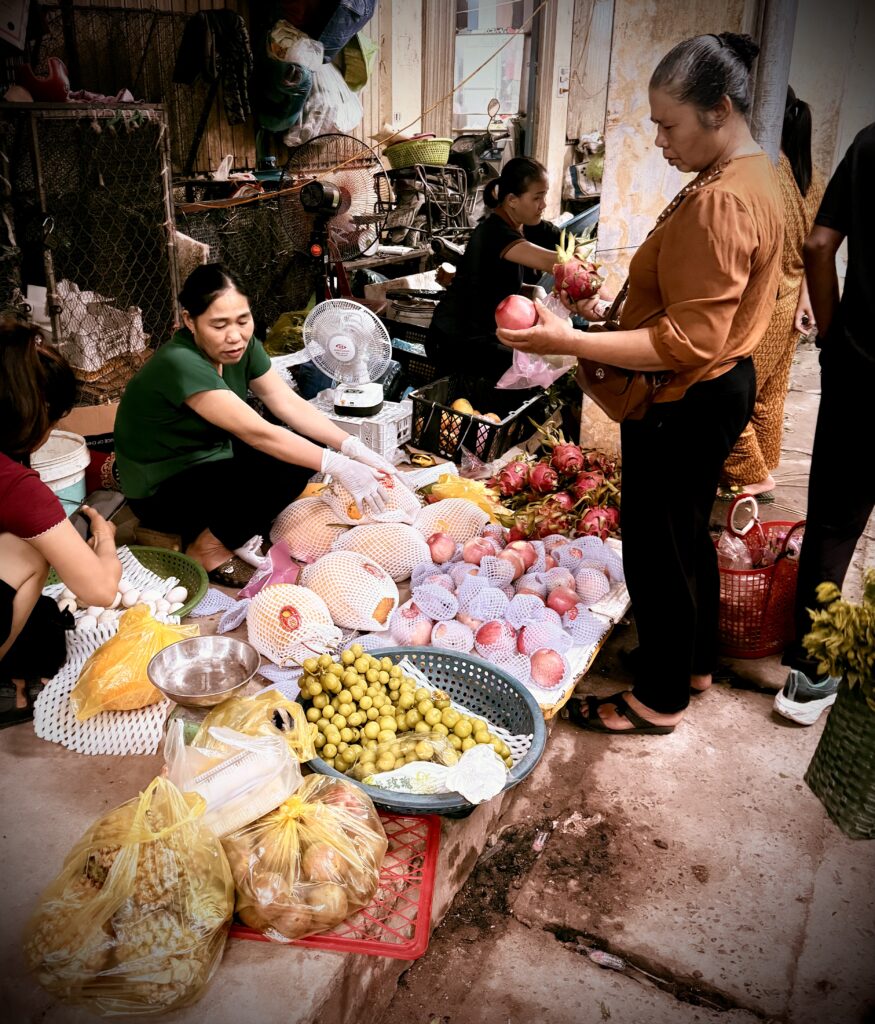
The bread was still warm—soft, golden, comforting in my hands as we wandered through Tam Coc’s morning market. Here, nobody called out prices or tried aggressively selling anything. Instead, the vendors simply smiled warmly, pointing quietly toward their fresh produce as we passed. Everything—fruit, vegetables, tofu, freshly cut meat, and bread rolls for banh mi—arrived at sunrise, perfectly fresh.
Over those fifteen days, we grew so accustomed to the morning market’s rhythm that eventually, Hari and I could simply glance at the fruits and know whether they were today’s produce or yesterday’s leftovers. It was a surprising new skill we’d unintentionally acquired—one unimaginable back in our busy Bangalore life, where fresh fruit usually appeared at our doorstep through a delivery app. Here, no such apps existed. Each morning after our stroll by the lake, we walked straight to the market. And we loved it deeply.
The first time we’d traveled to Vietnam in late 2019, we’d believed we already embraced slow travel. While most travelers rushed through five cities in eight days, we’d slowly explored four places over five weeks—Hanoi, Ha Long Bay, Ninh Binh, and finally Da Nang.
Da Nang had quickly become our favorite—a relaxed, livable city. Back then, we dreamed of renting a small apartment there, walking familiar streets, working from cozy cafés until we felt part of the neighborhood. Then the pandemic reshaped everything, quietly shelving those dreams alongside the rest of the world’s plans.
Years later, with Hari on a study break, we returned to Vietnam. But this time, Da Nang wasn’t calling us as strongly. Instead, Hari felt drawn back to Ninh Binh—specifically to a tiny, quiet paradise called Tam Coc.
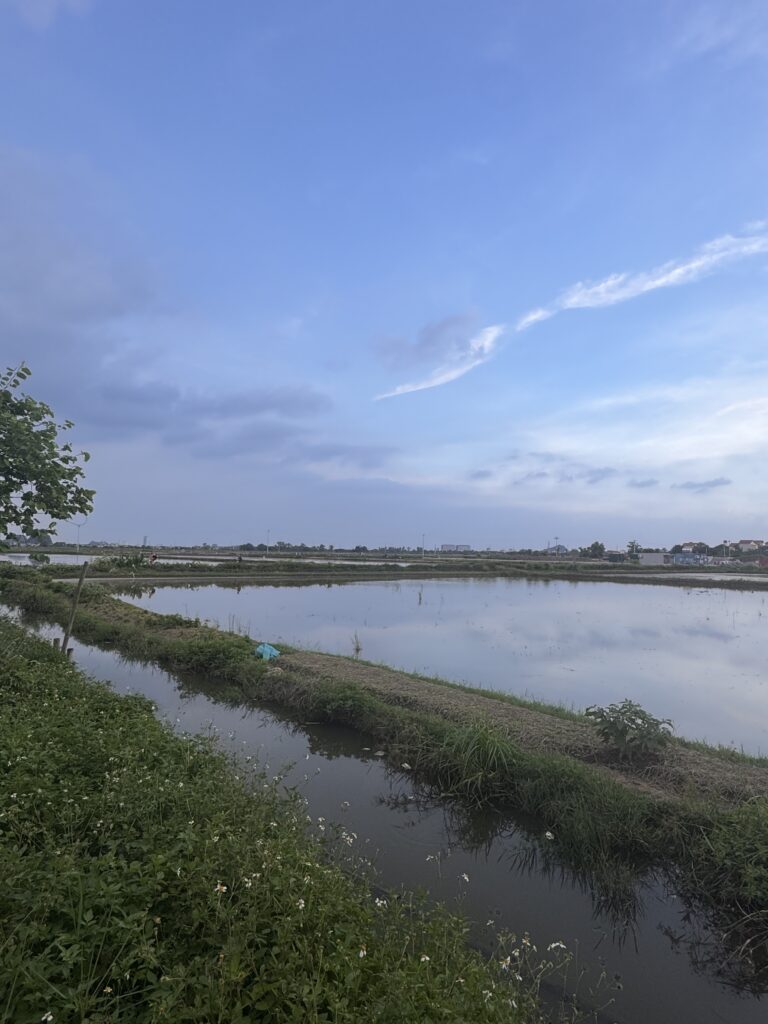
Tam Coc nestles gently amid lush rice paddies and jagged limestone mountains, famously described as “Ha Long Bay on Land.” Unlike bustling Vietnamese cities filled with motorbikes, honking horns, and endless noise, Tam Coc felt like stepping into a gentler, slower version of life.
Most visitors stayed two or three nights, quickly checking off caves, boat rides, and temples from their lists. We stayed fifteen—and left feeling we’d barely begun.
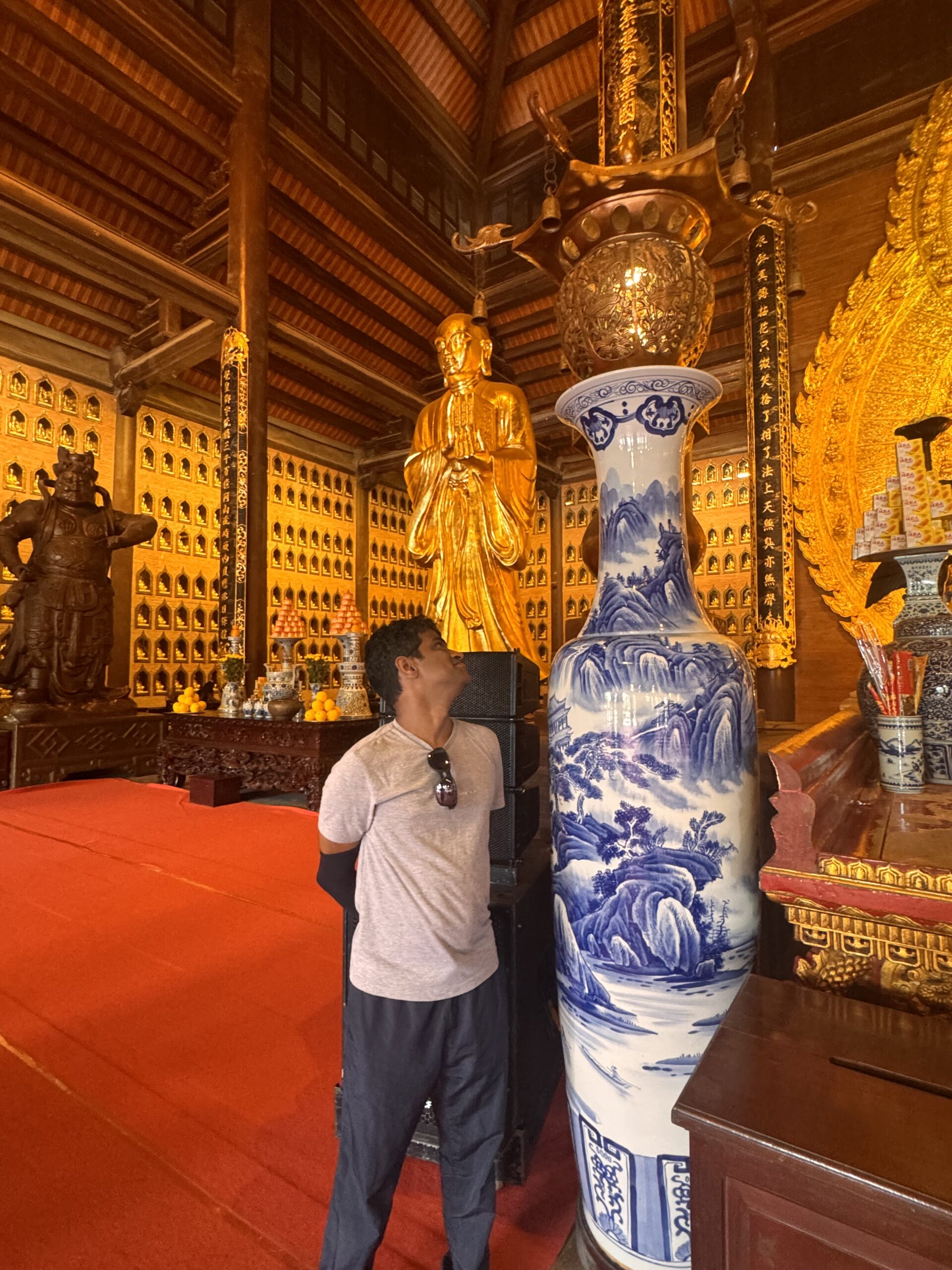
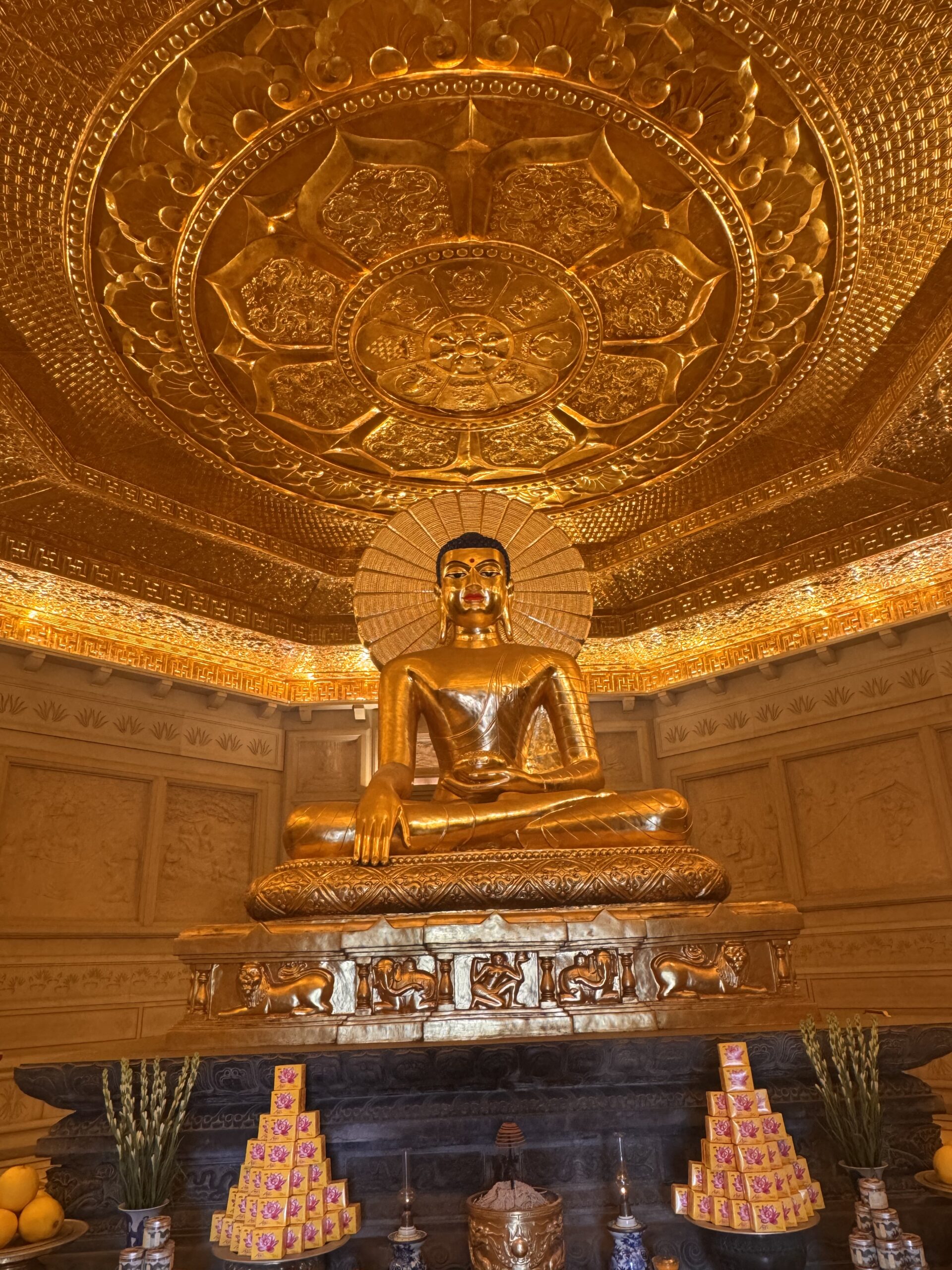
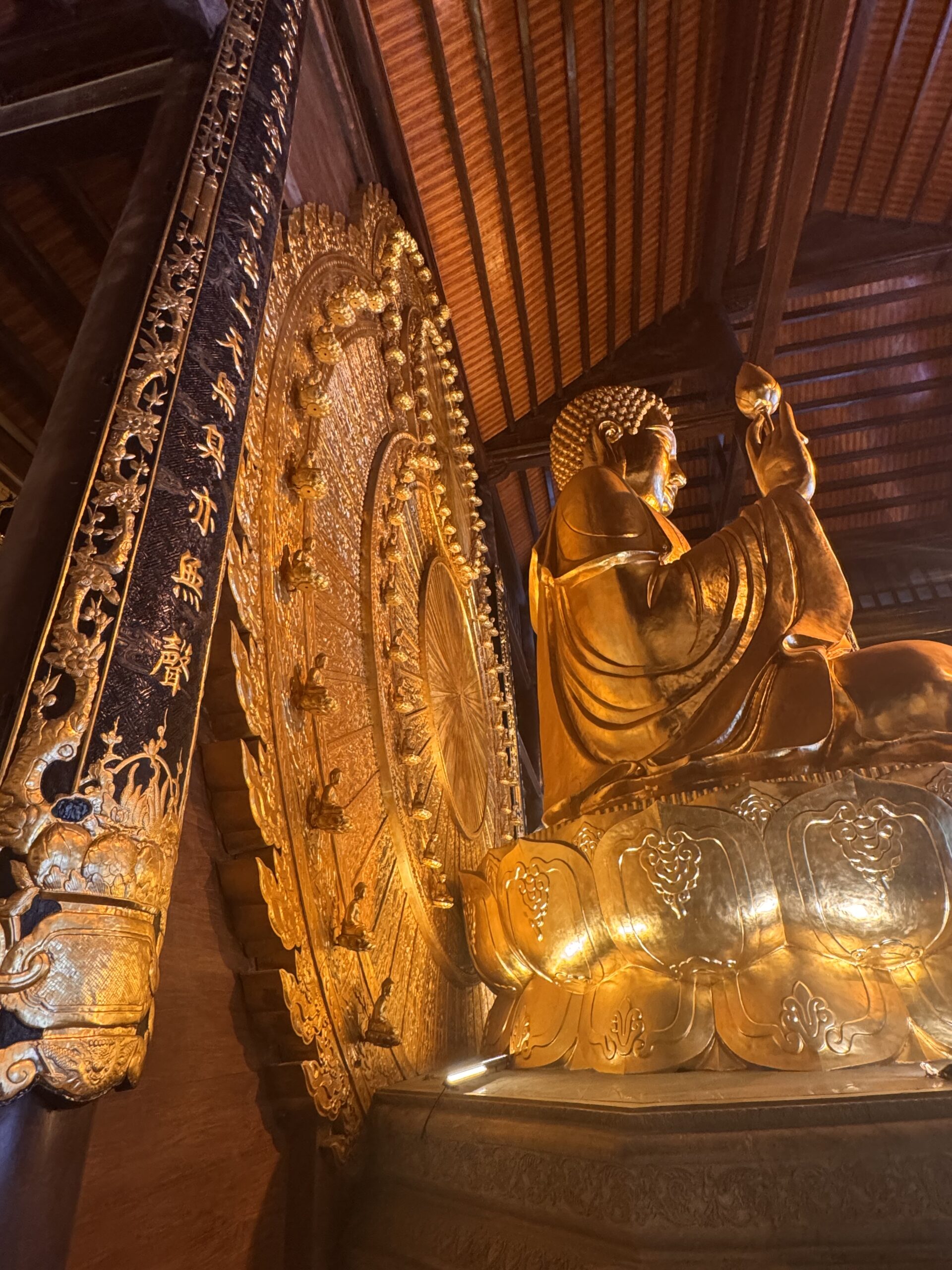
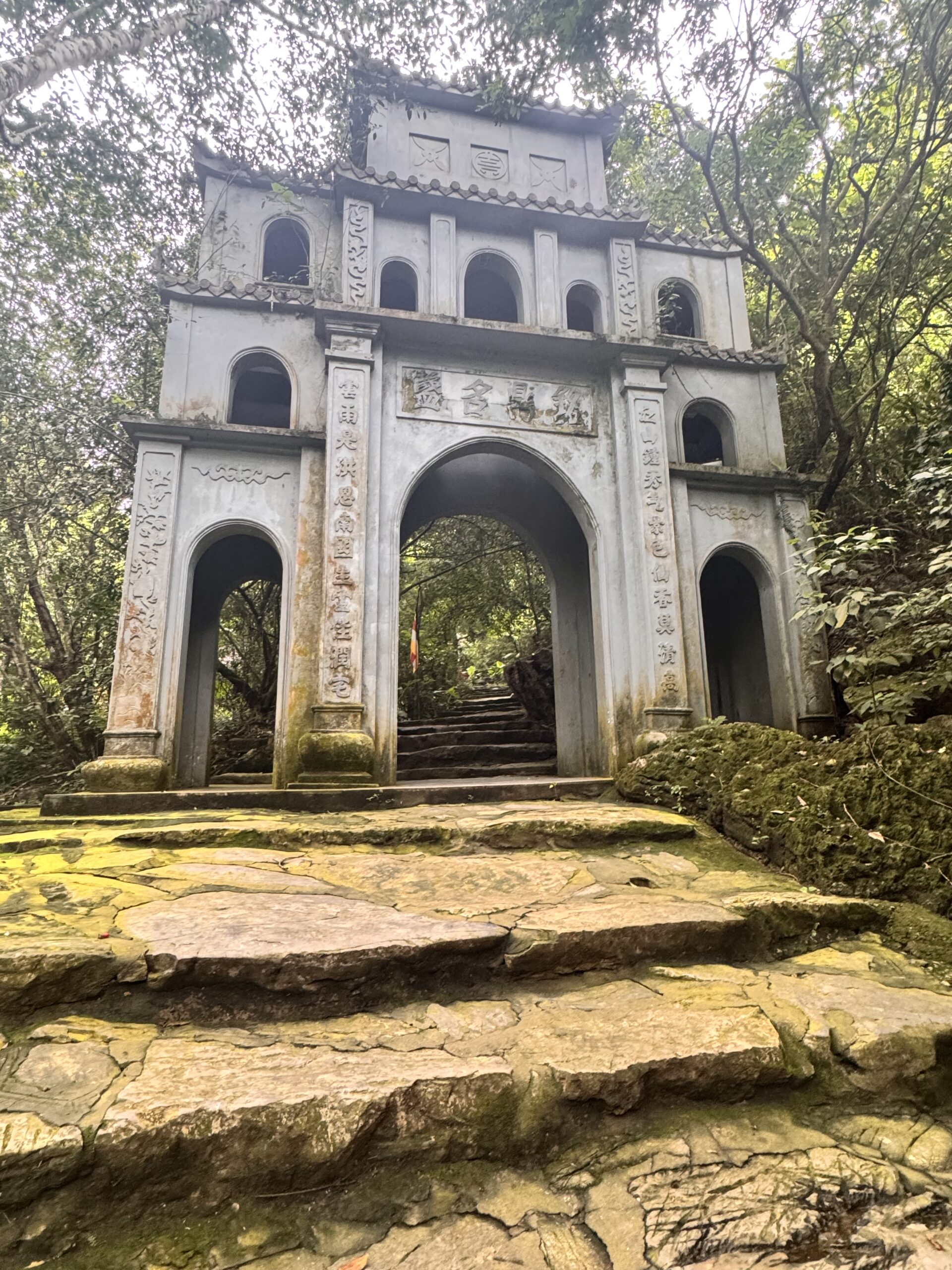
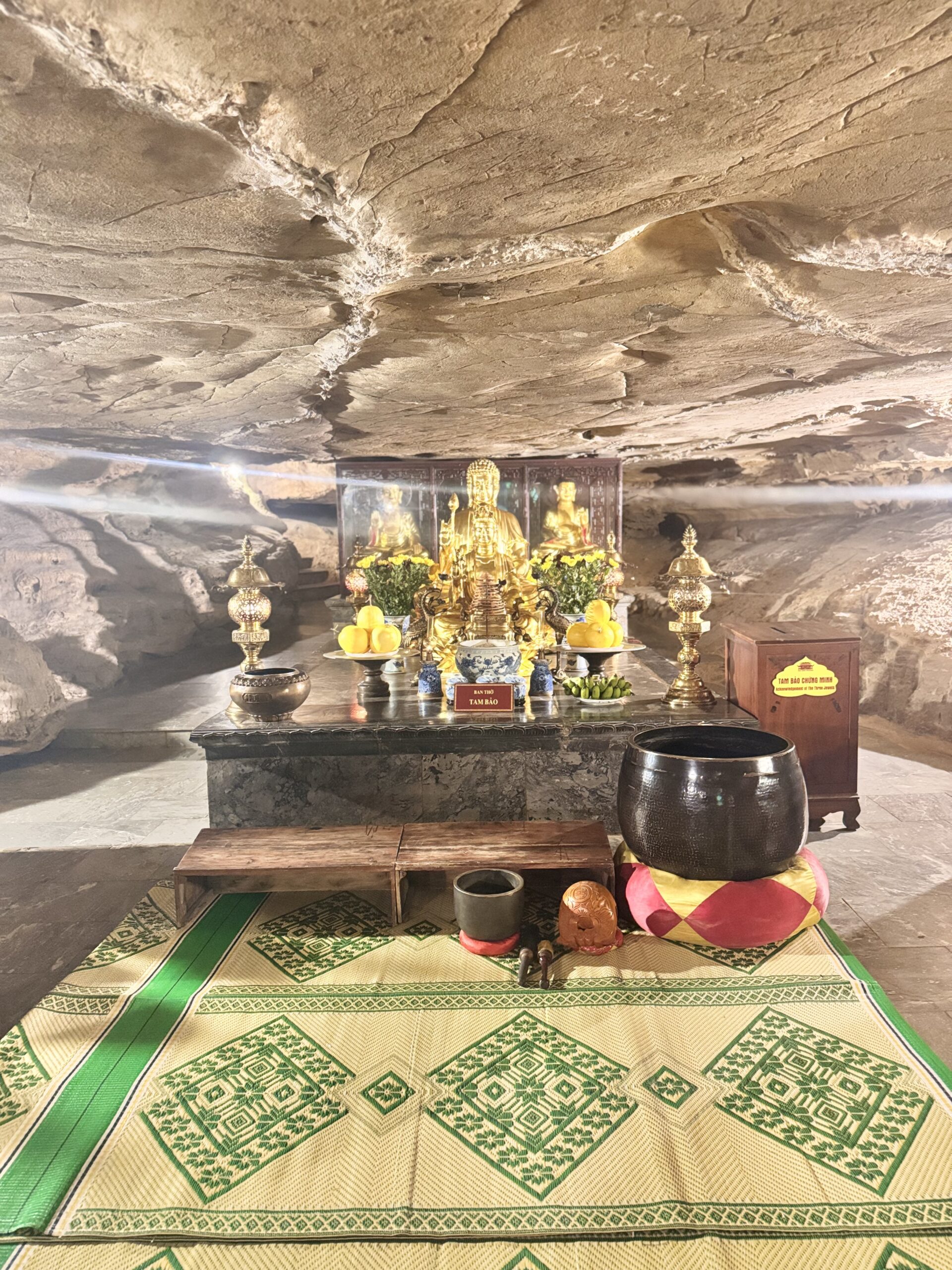
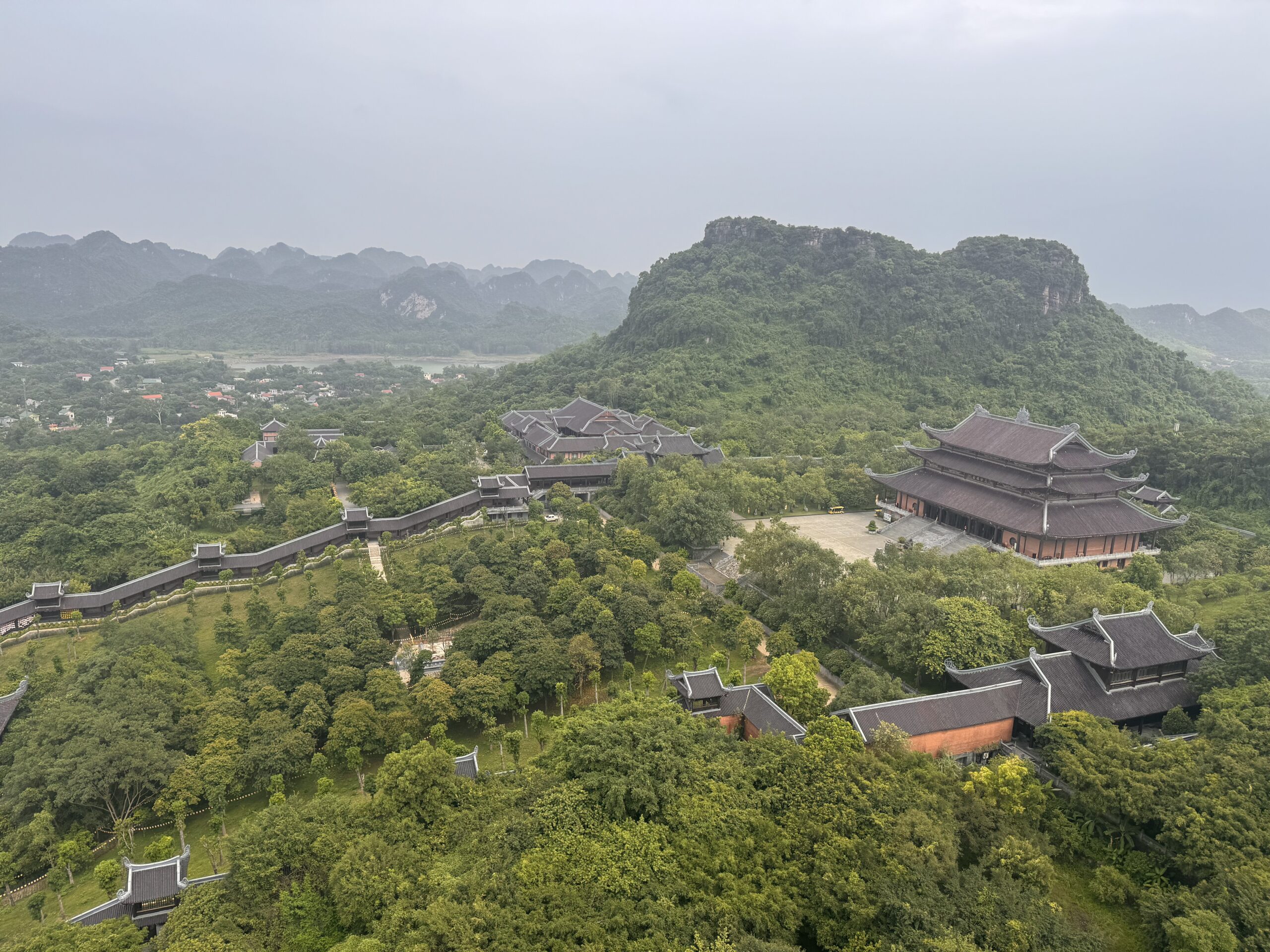
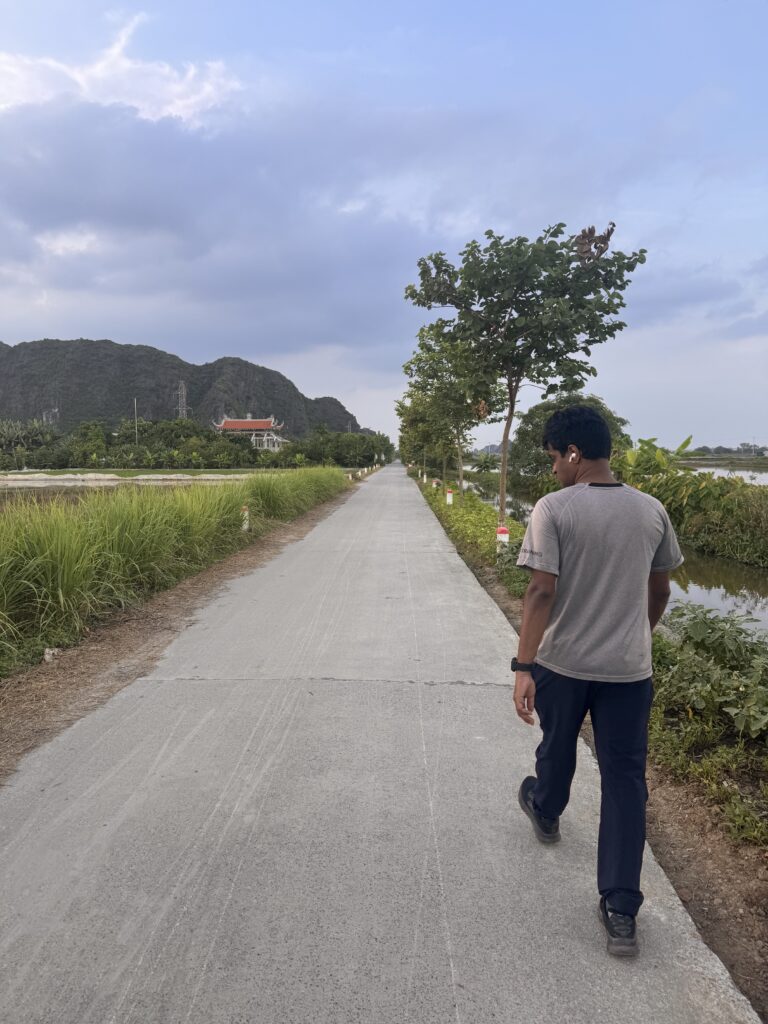
On our previous visit, we’d dutifully seen every attraction. This time, we visited just one: Bai Dinh Pagoda—the exact spot Hari wanted to revisit.
No boat rides, no caves, no sightseeing rush.
It felt like enough. It felt right.
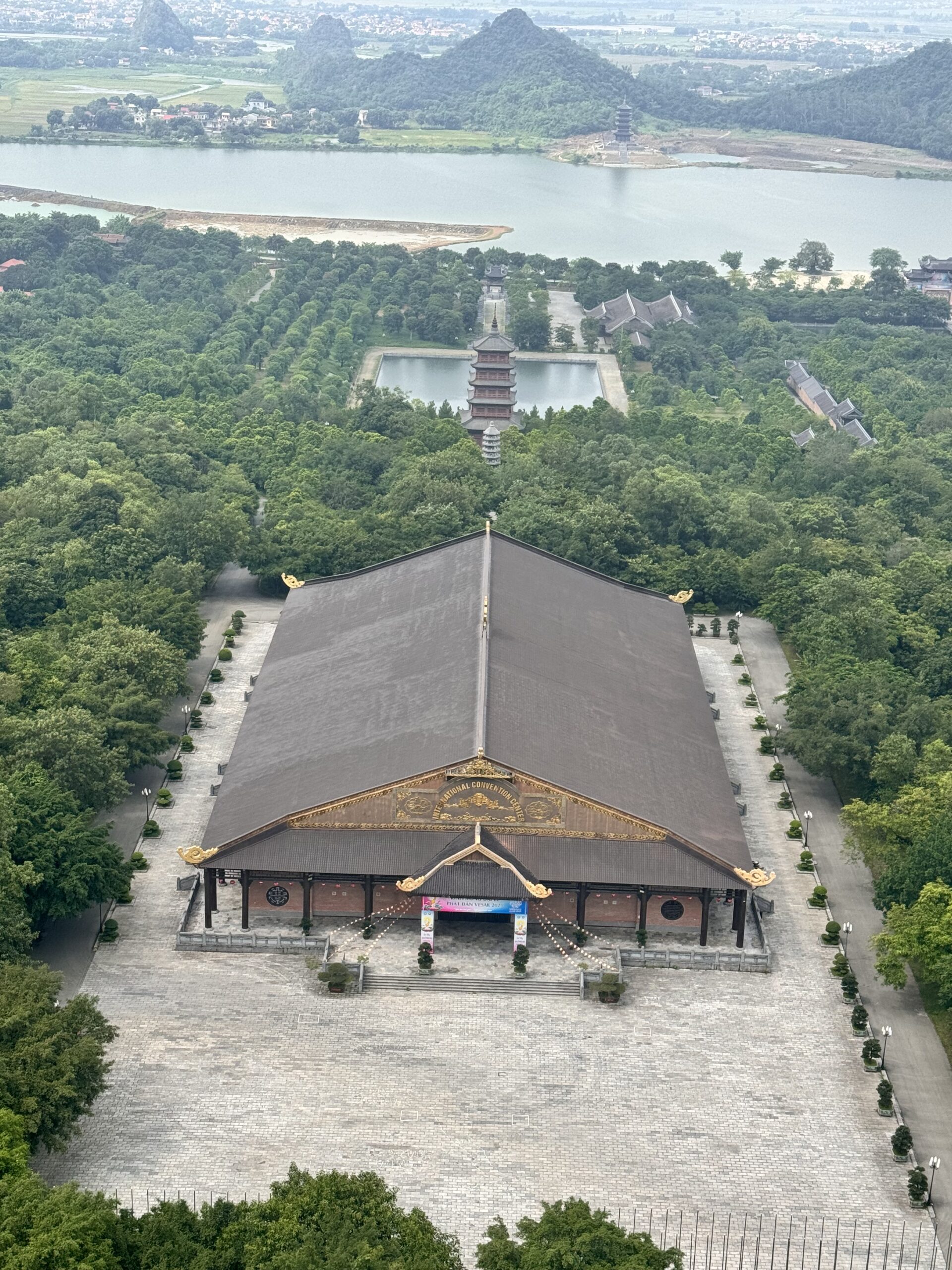
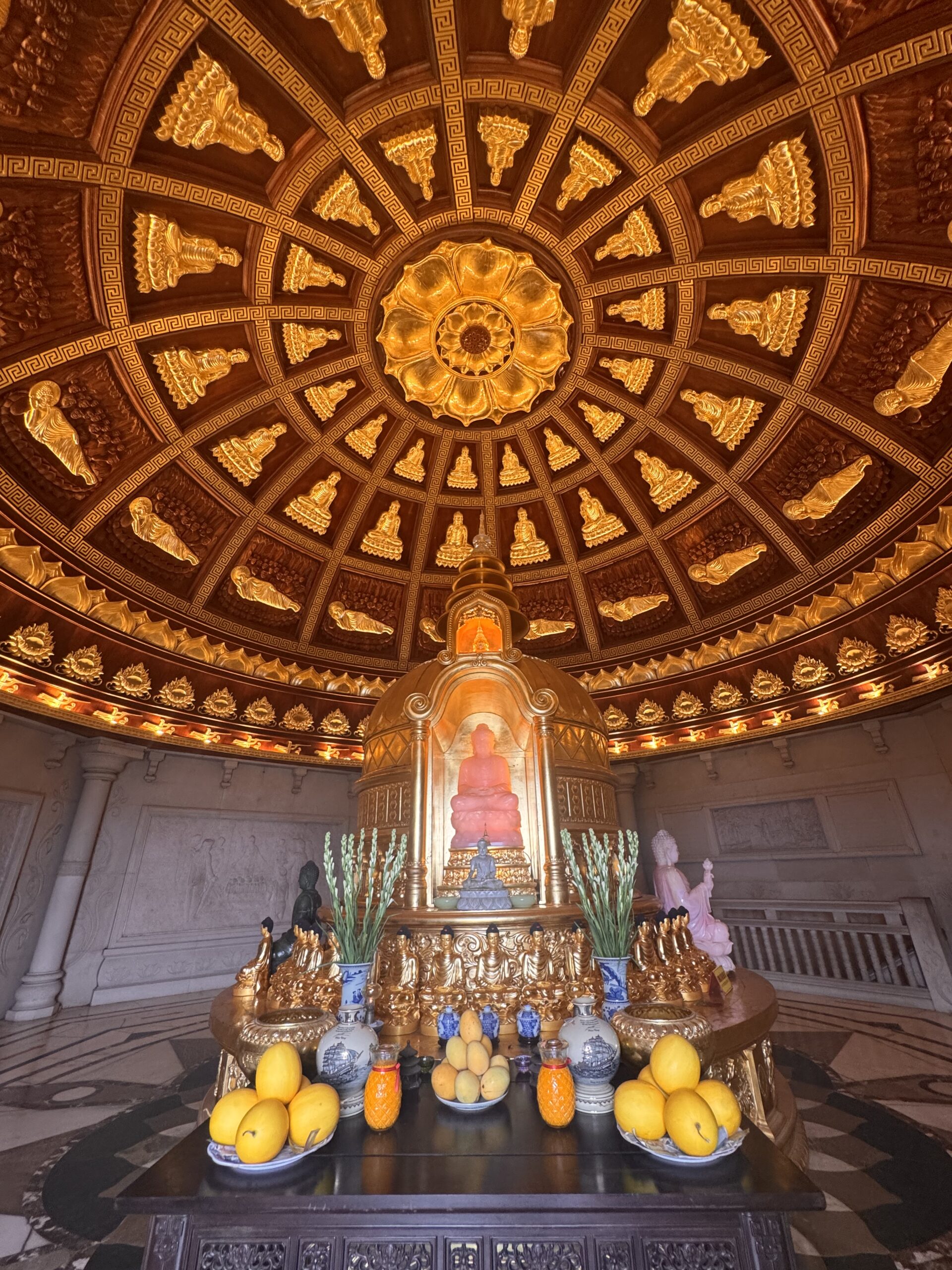
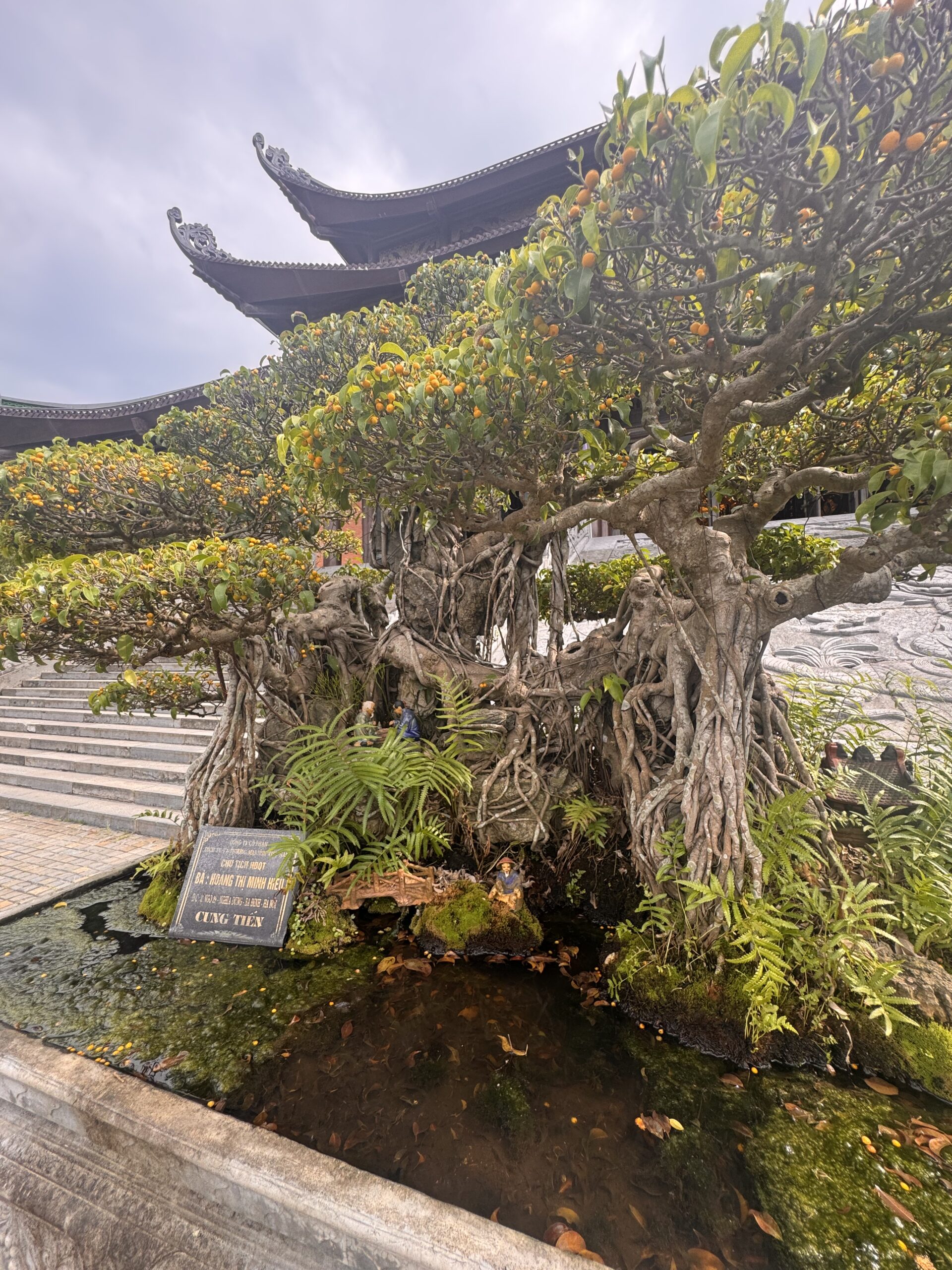
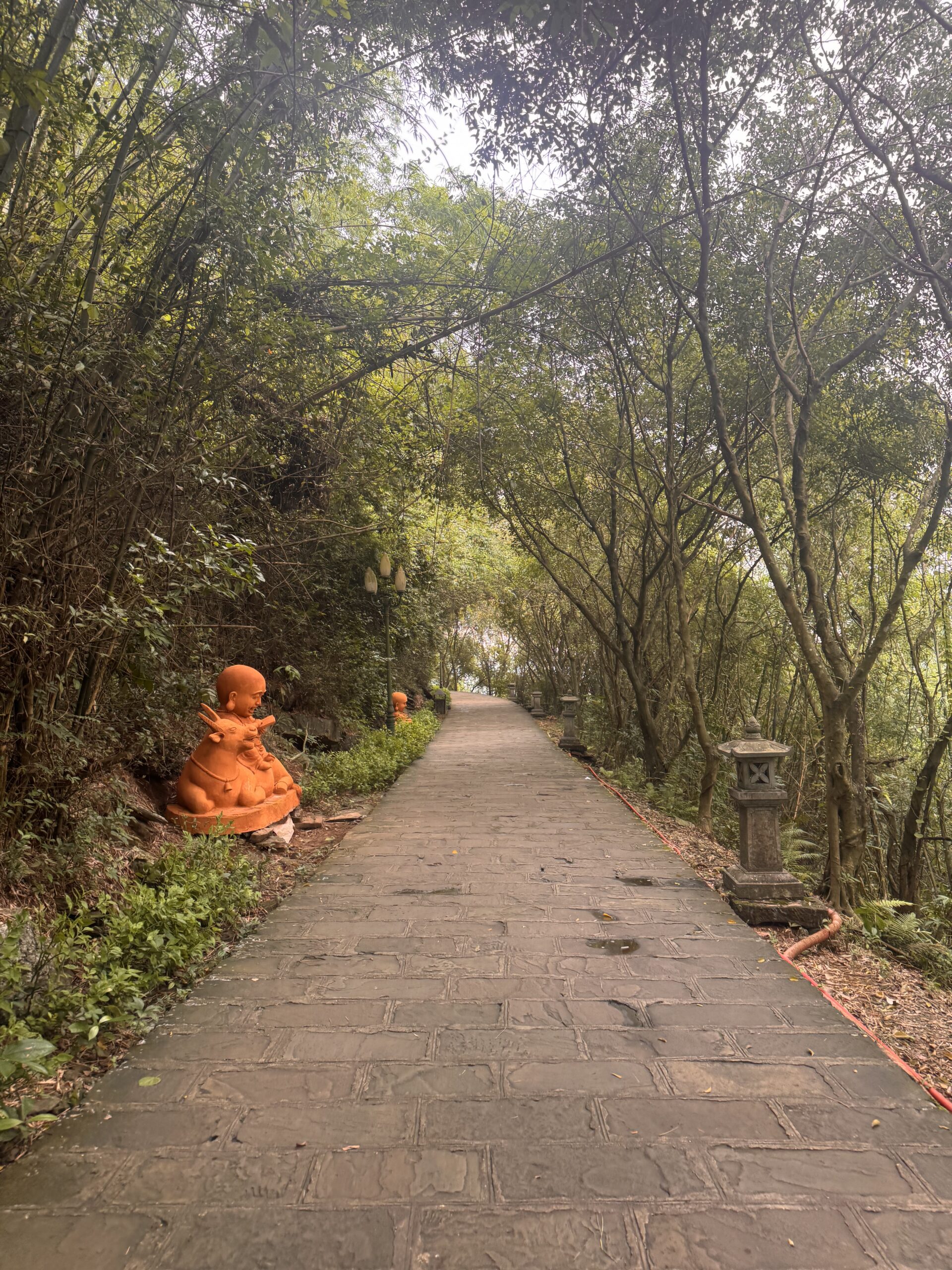
At first, skipping so many “must-sees” felt strange. Wasn’t travel supposed to be about checking things off, proving you’d “done” a place? But without even noticing, Tam Coc had gently burned our checklists, teaching us that real travel isn’t about collection but about immersion. It was about truly noticing the rhythm of life around us.
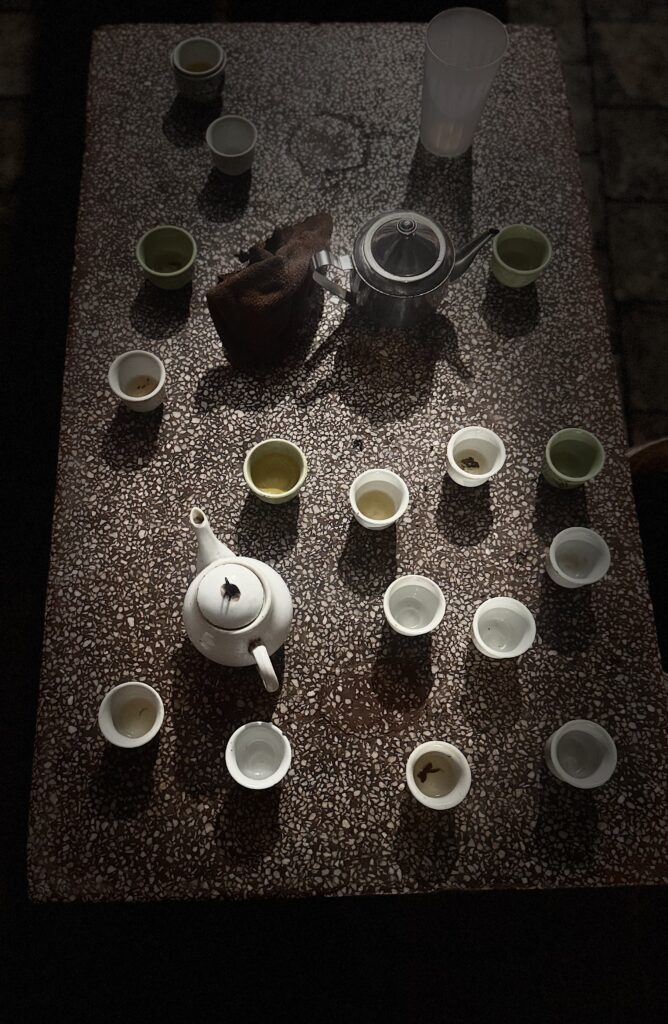
Our days quickly found their natural, easy pace. We walked paths not marked on any maps, through vibrant green rice fields and quiet neighborhoods where locals sat outdoors sipping tea and chatting softly. Laundry hung lazily in breezy courtyards. Children played freely in open streets, laughing without restraint.
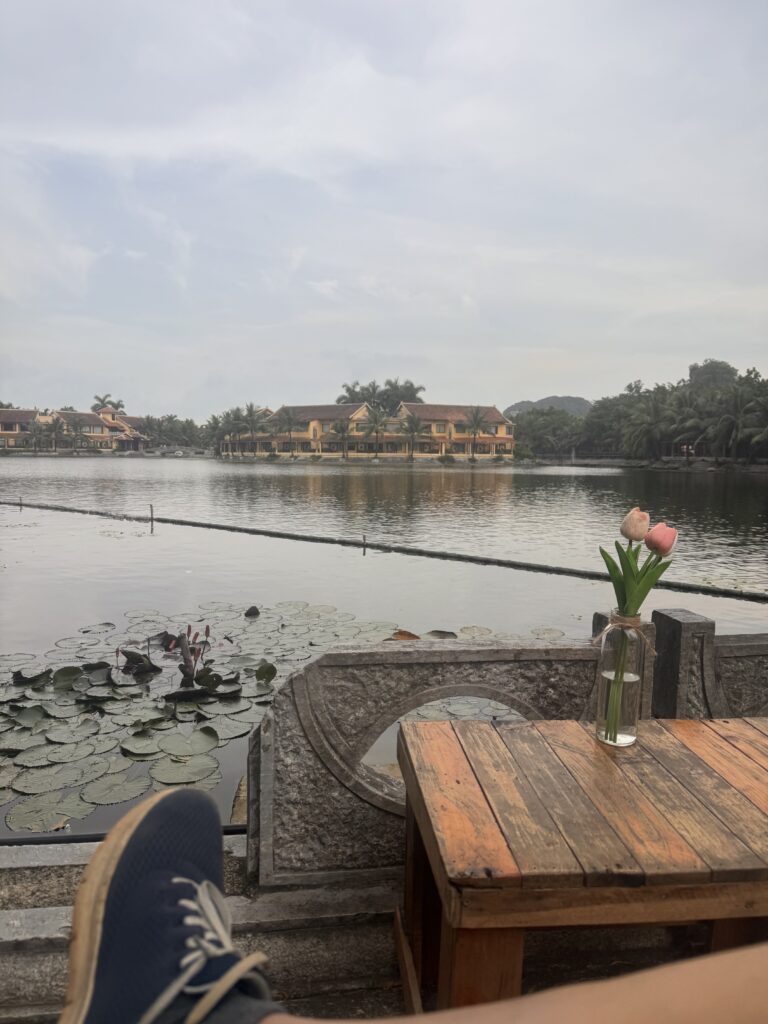
Meals took on a new importance. Each day, we visited local cafés strung with glowing yellow lanterns, sipping coconut coffee and savoring bowls of steaming pho or delicate tofu draped generously in peanut-ginger sauce over sticky brown rice. Every bite tasted deliberate, cooked with genuine care.

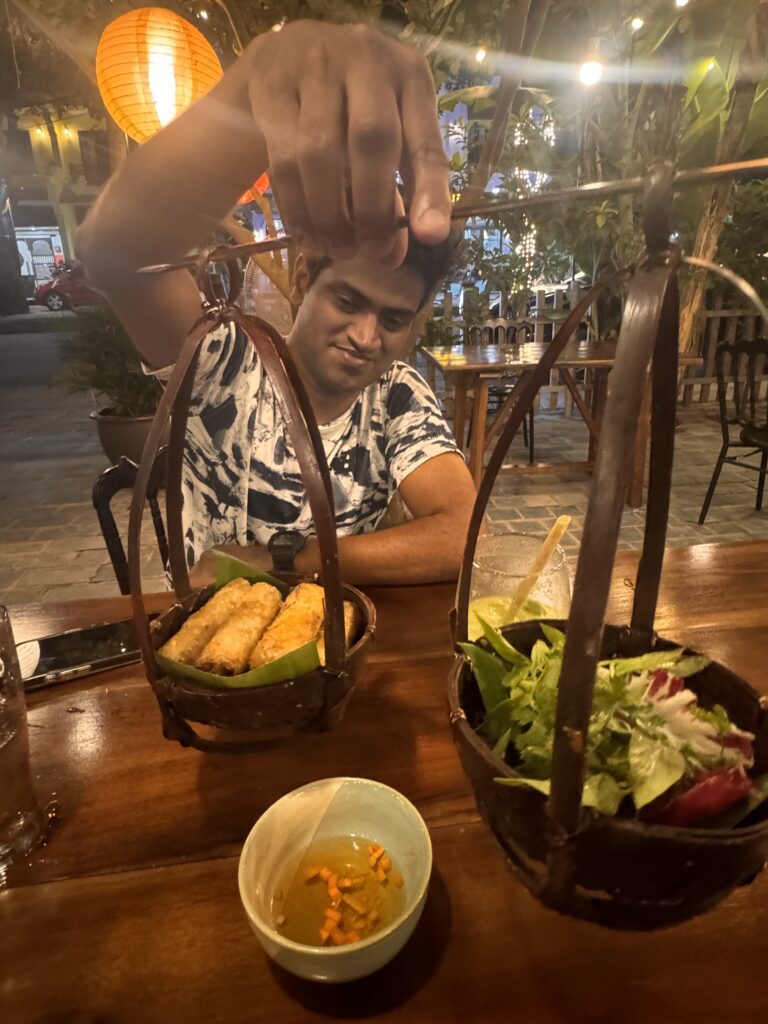
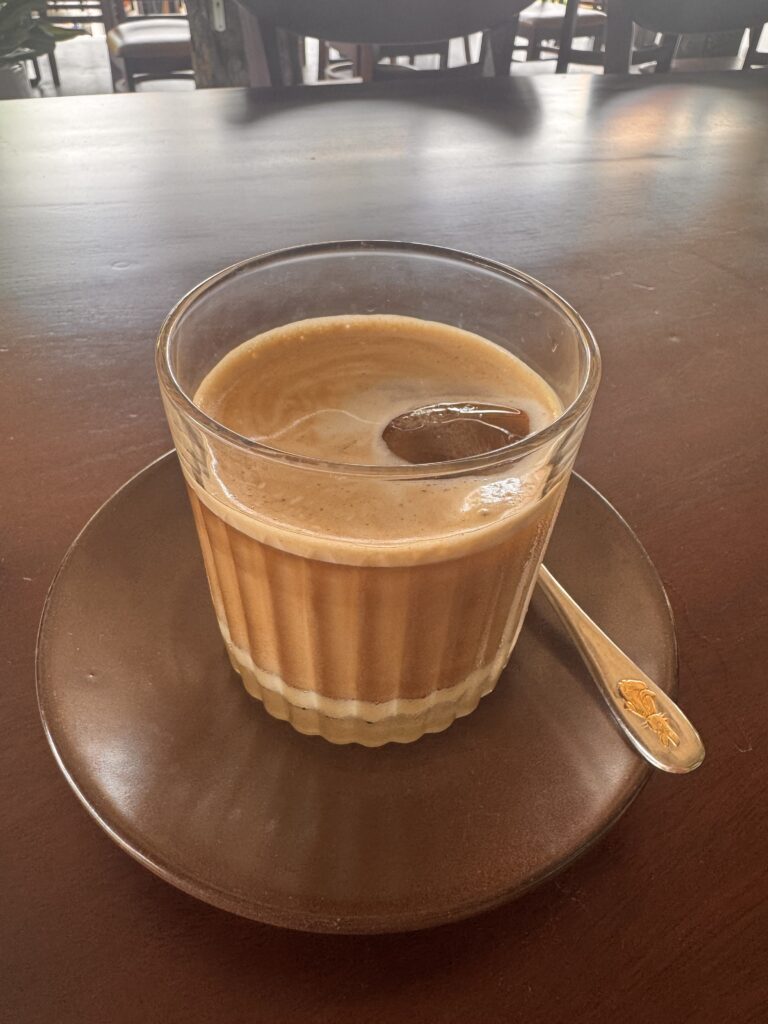

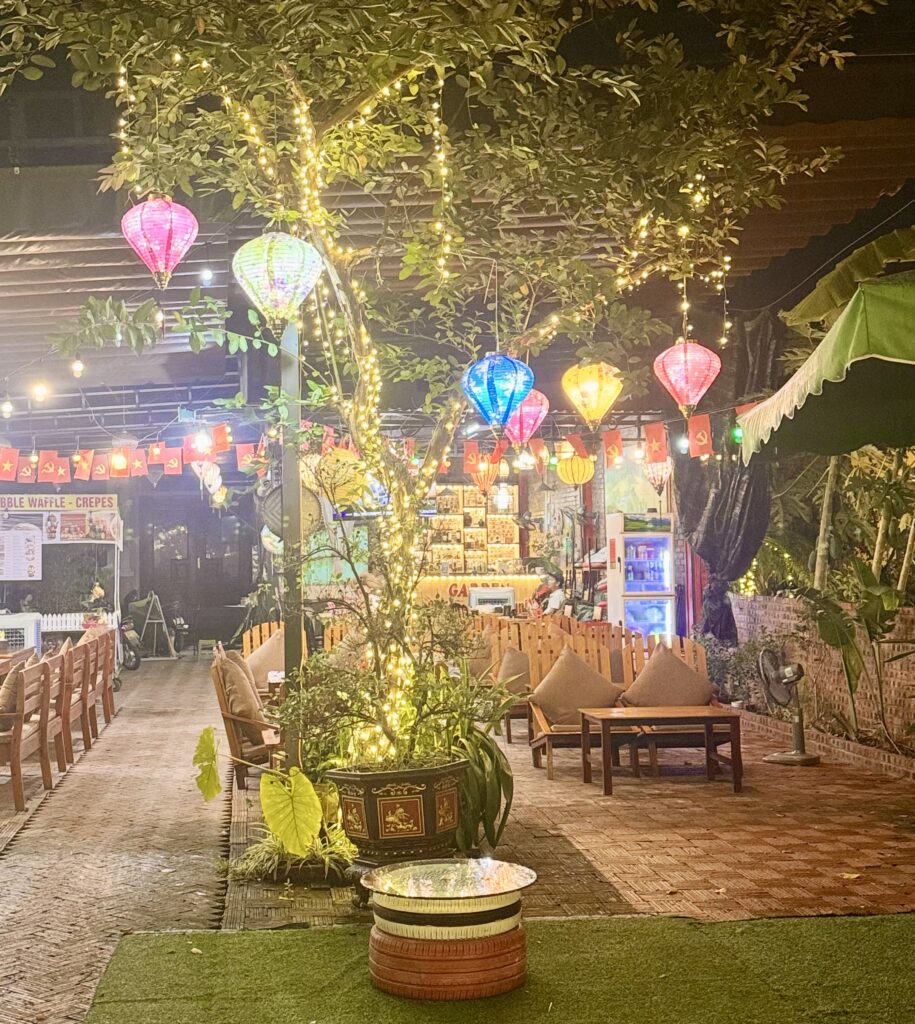
My favorite memory was the afternoon Hari and I rented a scooty, riding aimlessly along roads bordered by shimmering lakes and green-cloaked mountains. The wind brushed our faces gently, and the quiet felt like it belonged solely to us. Later, we sat silently beside the water, watching the mountains mirror themselves in stillness.
“Funny how doing nothing feels like everything,” I said softly, voicing Hari’s thoughts exactly.


Initially, we’d arrived with plans for disciplined productivity—early mornings, tightly scheduled days. Tam Coc’s relentless heat quickly dissolved our ambitious schedules. Instead, our days inverted entirely. We stayed awake until dawn, slipping out at 5:30 a.m. for market visits, coffee, and gentle walks, then happily retreating back to sleep by 7:30. It was utterly inefficient—and utterly perfect.
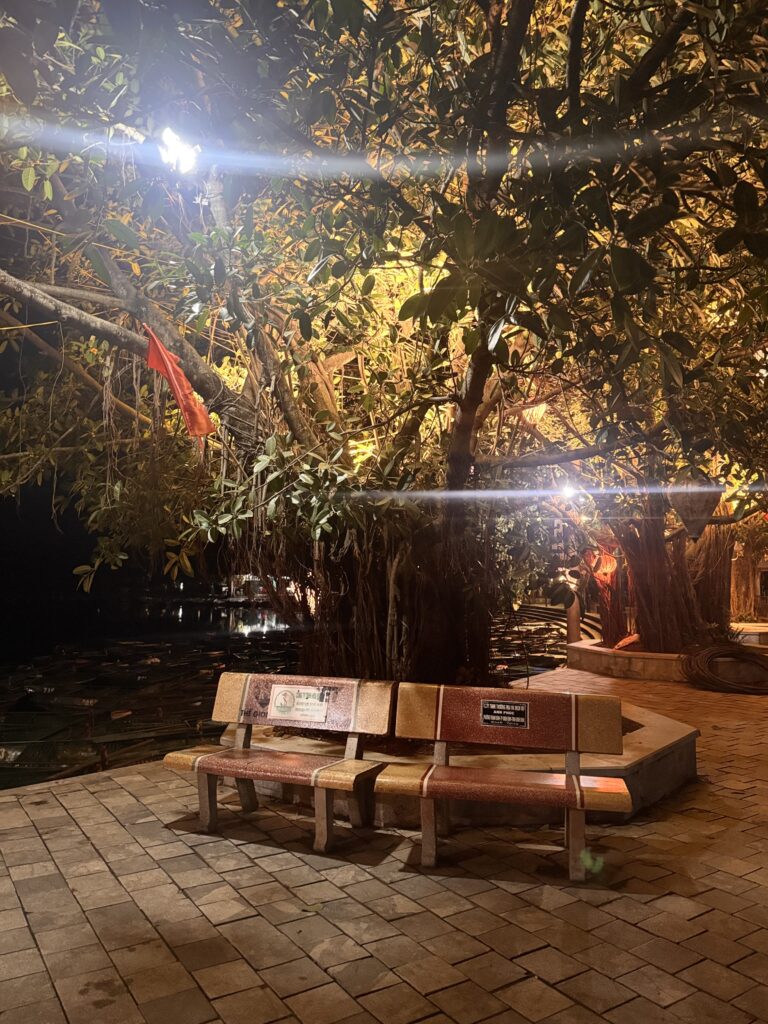
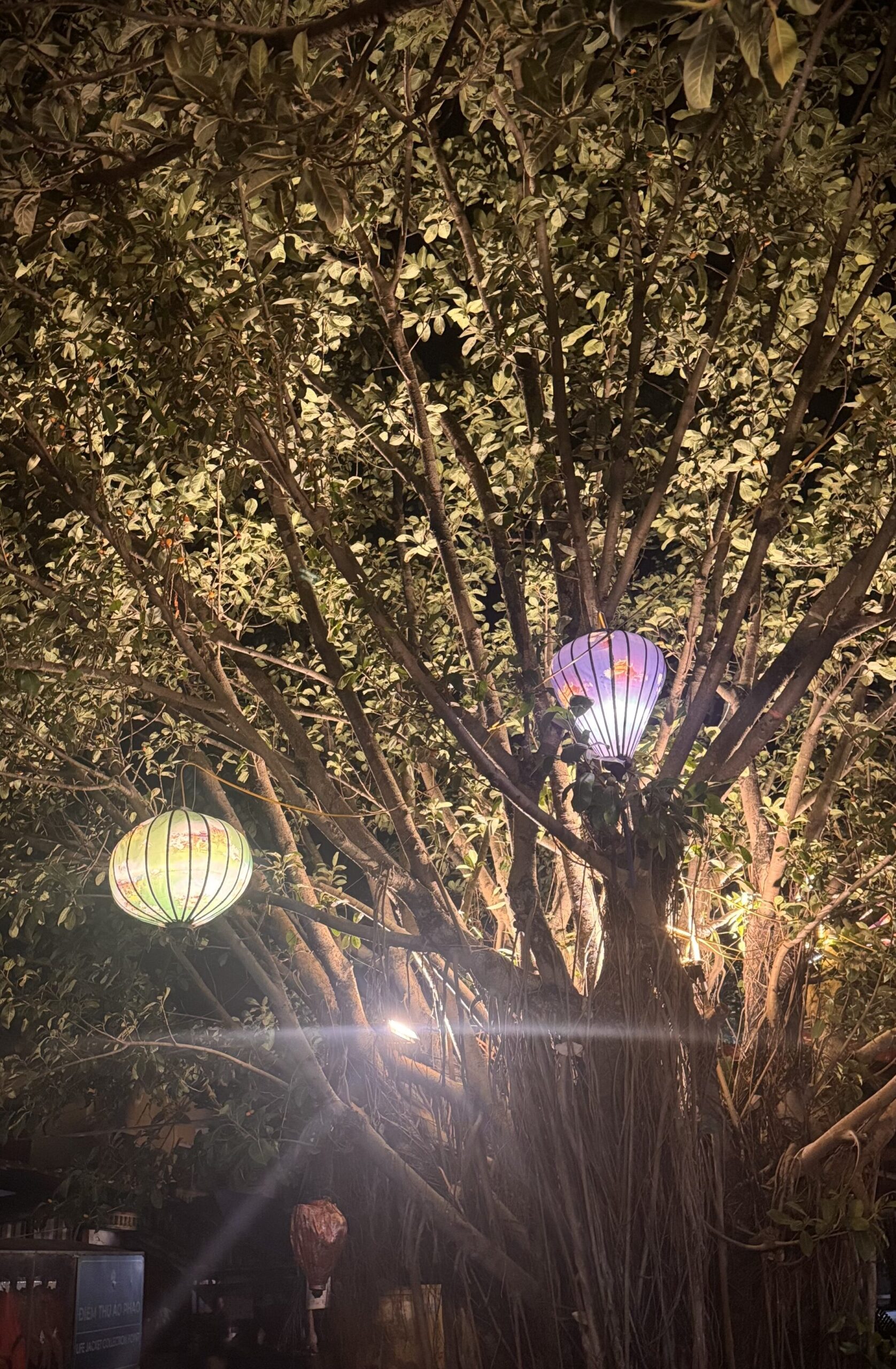
Slowing down heightened our senses. We found ourselves genuinely fascinated by tiny details, like the yellow string lights strung in trees.
How did they withstand heavy rains?
What clever, hidden wiring made them so resilient?
No travel guide had ever mentioned these little mysteries, but they captivated us deeply.
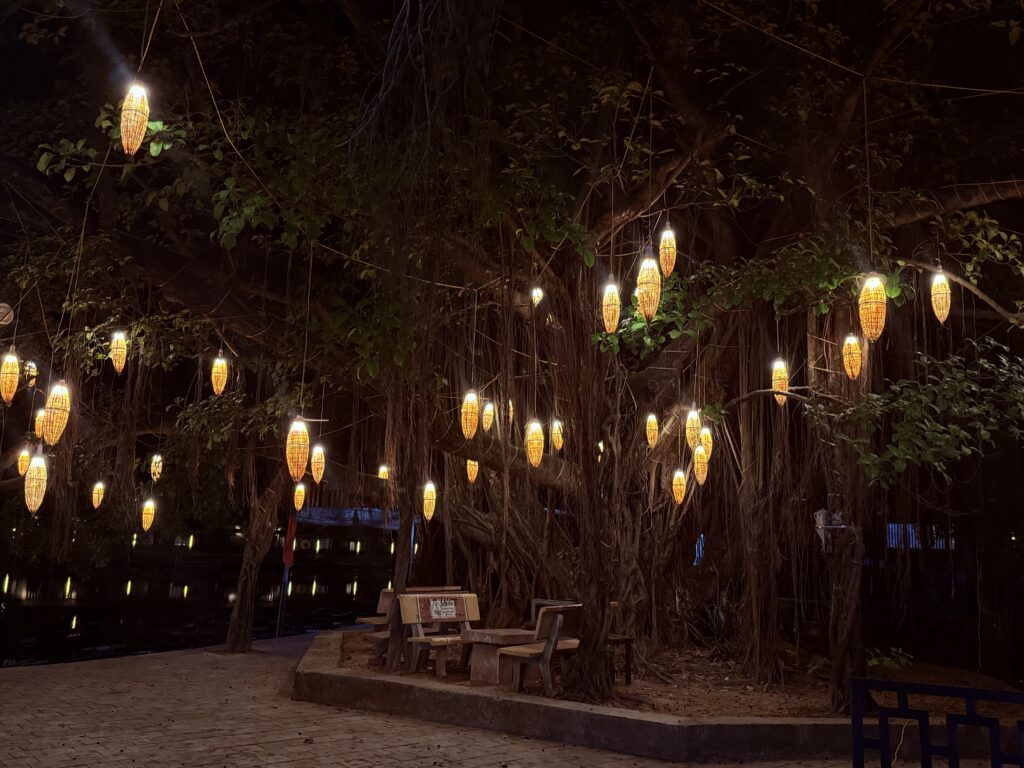
Evenings brought their own joyful ritual. Every night, elderly women gathered in Tam Coc’s central square, gracefully swaying to music from a small, tinny speaker—part patriotic anthem, part gentle lullaby. Tourists joined in, awkwardly but joyfully. Soon, so did I, swaying gently in the soft evening air.
These simple moments stayed with me. The way families naturally incorporated physical activity into daily life, effortlessly cycling, walking, dancing without fuss.
The community cooked fresh food daily, gathered for meals, and shared generations of homes.
There was a quiet openness, an implicit trust that seemed rare and precious. It was a rhythm we never experienced in our faster, more compartmentalized life in Bangalore.
I realized, slowly but surely, that Tam Coc wasn’t just a charming destination—it was quietly teaching me something crucial about how I lived and traveled. For years, I’d unconsciously treated travel like a sport, measuring success by checklists and packed itineraries. Tam Coc gently corrected me, teaching that slow isn’t lazy or boring. Slow is noticing. Slow is truly seeing.
Ultimately, what Hari and I brought home weren’t sights or souvenirs but unexpected, powerful memories:
- Warm bread at sunrise in the local market.
- Scooty rides beneath the quiet gaze of mountains.
- Morning walks by the lake that ended in laughter-filled market visits.
- Iced coffee sipped in quiet cafés and road-side stalls, conversations lingering easily.
- The sound of elderly women’s gentle laughter as they danced in the square.
- Children smiling and waving as though we’d always belonged.
When we finally packed our bags to leave, I glanced around Hari with quiet regret. “It still feels too soon,” I said, voicing his heart exactly.


Fifteen days in Tam Coc had taught us the real art of travel. It wasn’t about accumulating places—it was about slowing down enough to truly connect with them.
Maybe this is exactly how travel is supposed to feel—not rushed or frantic, but thoughtful, gentle, and deeply felt. Walking slowly enough, long enough, to truly belong—even if only for a moment.
Just finished it and it’s 12.5 am I am so sleepy but I want to read it again .Just love to read your blogs not coz your mom coz the way you explain everything I can visualise everything.Keep writing baccha .Love you .