Behind the polished wardrobe and photo-ready friendships, The Bold Type cracks open the real mess of modern womanhood—and teaches you how to keep showing up for yourself, even when you don’t know what you’re doing.
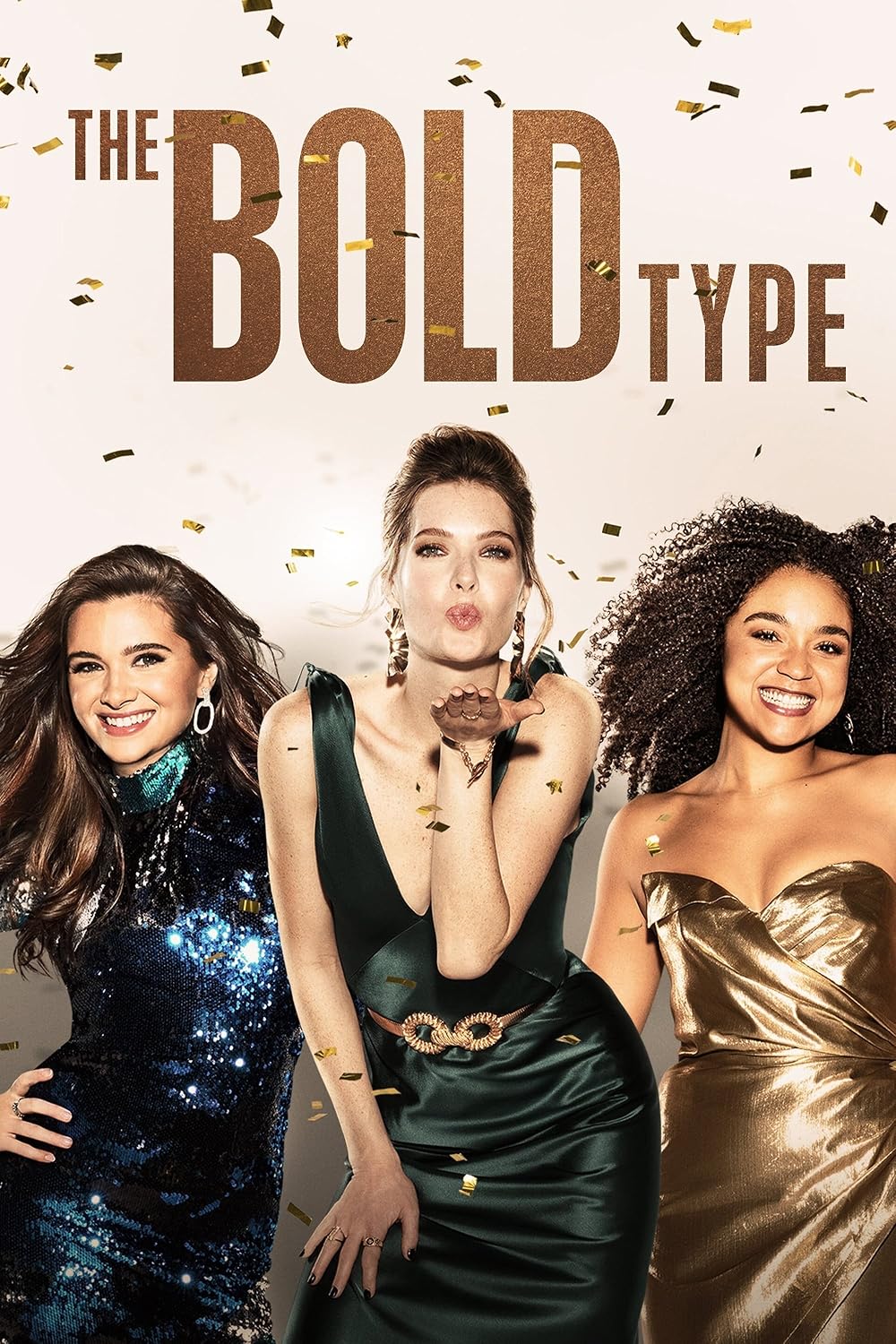
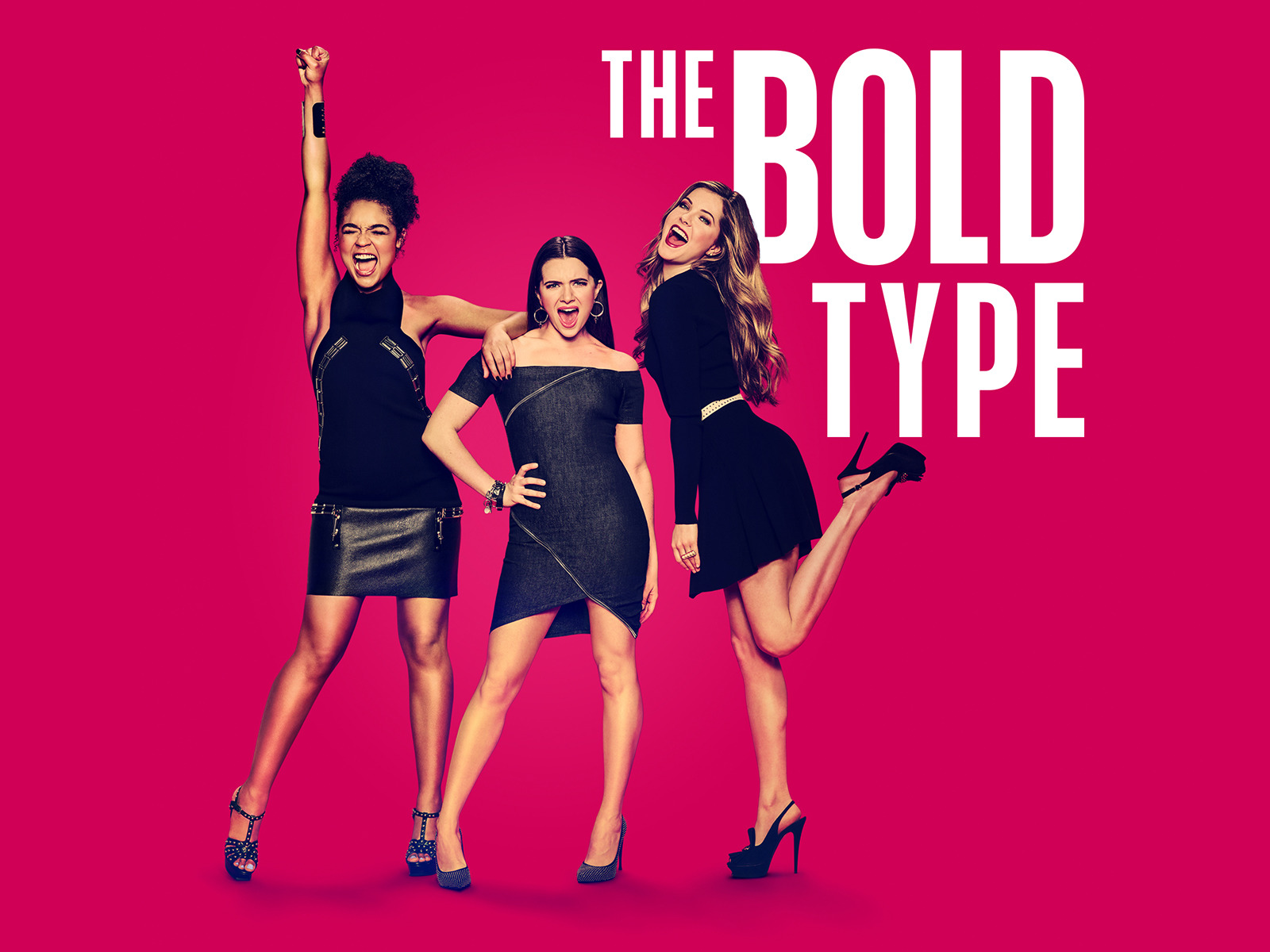
Three women. One closet. A thousand ways to say: I’ve got you.
“If you’re not scared, you’re not growing.”
— Jacqueline Carlyle
I didn’t expect a show about a fashion magazine to help me navigate a breakup or confront medical anxiety—but it did.
The Bold Type starts out feeling like a millennial Pinterest board come to life: three best friends, killer fashion, big city dreams. But beneath the glossy visuals is a layered, emotionally honest narrative about ambition, identity, and the cost of choosing yourself.
Somewhere between the rooftop parties and boardroom battles, I stopped watching and started listening.
Choosing Yourself Isn’t a Victory Lap. It’s a Reckoning.
Sutton Brady’s most pivotal moment isn’t about triumph. It’s heartbreak.
“I love you, but I love me more. And this is what I need to do for me.”
She walks away from the man she loves—not for drama, but for self-preservation.
I’ve done the same. I remember sitting on the floor after ending something that still mattered deeply, because staying would’ve meant abandoning who I was trying to become.
Sutton doesn’t make a speech. She makes a choice. That’s the kind of self-respect The Bold Type normalizes—not loud, not perfect, but necessary.
And Oliver, her mentor, doesn’t patronize her for it. He looks her in the eye and says the words so many of us need to hear: “It’s smart, not crazy.”
Friendship Isn’t About Matching Tattoos. It’s Showing Up at 2AM.
Jane, Kat, and Sutton aren’t just supportive—they’re inconveniently loyal.
After Jane’s preventative mastectomy, her friends show up with button-downs and snacks. No pity. No speeches. Just quiet, loving presence.
“You don’t have to be strong for us.”
— Kat Edison
It reminded me of a time I was spiraling after a breakup. My friend came over with samosas, refused to talk about it, and watched Fleabag with me on mute. That, too, was a kind of rescue.
The Bold Type nails this truth: female friendship isn’t always gentle. Sometimes it’s blunt. But it’s also the net that keeps you from hitting the floor.
They met in a fashion closet. Which feels right. The people who help you come out of hiding usually find you when you’re not looking.
Boundaries Aren’t Walls. They’re Mirrors.
Jane’s breakup with Ryan isn’t angry or emotional. It’s clear.
“There’s nothing to talk about. I can’t do the multiple guys thing. I don’t want to.”
She doesn’t try to convert him. She doesn’t soften her stance. She just knows who she is, and walks away.
That kind of boundary-setting took me years to learn. For so long, I thought saying “no” meant being difficult. But Jane’s clarity reframed it for me: boundaries don’t push people away. They bring you back to yourself.
Real Advocacy Isn’t Trendy—It’s Relentless.
Kat Edison doesn’t stop at slogans. She pushes for real change—from hiring policies to campaign strategies. She insists on second chances for formerly incarcerated applicants, and stands firm when others hesitate.
“Diversity can’t just be cosmetic.”
Kat’s activism isn’t always polished. She gets it wrong. She overreaches. She fumbles. But she stays in the fight, learns out loud, and keeps coming back. Her queerness, Blackness, politics—none of it is flattened into a character arc. It’s fully lived.
One boardroom pitch, she says it straight:
“If we only hire people with the same backgrounds, we’ll keep getting the same ideas.”
That moment stuck. Because real change doesn’t ask for comfort. It demands persistence.
Wholeness Doesn’t Look Perfect. It Looks Lived-In.
Kat’s journey with her sexuality is layered, messy, human. There’s confusion, denial, intimacy, anger, joy—all at once. Her relationship with Adena, a queer Muslim artist, isn’t tokenism. It’s tension, miscommunication, desire, and tenderness rolled into a love story that feels true.
Jane’s battle with the BRCA gene mutation is just as raw. Her decision to have a preventative mastectomy isn’t framed as noble—it’s terrifying. Later, she fights her insurance company to cover fertility preservation.
“You either go through it privately and quietly, or you go through it loudly and try to make it easier for the next woman.”
That line made me cry. I remembered all the women I know who kept quiet through pain—too tired to turn it into a campaign. Jane’s choice to speak out felt like honoring them.
Good Leaders Don’t Hover. They Hold Space.
Jacqueline Carlyle isn’t the kind of boss who walks around with a clipboard. She walks around with purpose.
When her employees struggle, she offers grace without condescension. She gives Jane a column after her surgery. She fights for Kat’s radical policies behind the scenes. And she tells the truth even when it’s inconvenient.
“Run toward what frightens you. That’s where growth is.”
Oliver Grayson leads with the same quiet strength. He backs Sutton’s bold decisions, guides her through creative failure, and knows when to step aside.
Leadership, in this show, isn’t about status. It’s about service.
Collapse Is Part of the Process
The Bold Type never pretends burnout is sexy.
After Sutton’s miscarriage, she spirals. She lashes out, drinks too much, isolates. There’s no redemption arc that wraps it up neatly. Just Oliver, telling her:
“You don’t need to be strong right now. You just need to be here.”
That one line felt like the permission I never got. I’ve been there, undone and overwhelmed. And it was never the pep talks that saved me. It was someone who stayed.
This show understands that falling apart isn’t failure. Sometimes it’s the only way through.
Progress Is a Team Sport
Scarlet isn’t run by one brilliant woman. It’s a relay.
Jane’s stories evolve with Kat’s digital strategy. Sutton’s styling choices empower women’s voices. Jacqueline clears the path and lets them run.
They collaborate. They critique. They cover each other’s blind spots. No one plays savior. They just show up, over and over.
That’s what makes the wins feel earned. The show doesn’t mythologize individual genius. It celebrates collective effort.
“Keep bringing your passion—it’s how you’re going to make your mark.”
— Oliver Grayson
This Isn’t Aspirational TV. It’s Permission.
The Bold Type doesn’t offer answers. It offers complexity, discomfort, and the wild, generous permission to be everything at once—ambitious and exhausted, idealistic and afraid, whole and still figuring it out.
Watching this show felt like being handed a blueprint for showing up. Not perfectly. Not painlessly. Just truthfully.
Leave a Reply